
The Rare History of Caught-and-Bowled in Test Cricket: From Jimmy Matthews’ Double Hat-Trick to Jomel Warrican
Core answer: जिमी मैथ्यूज टेस्ट क्रिकेट के इतिहास में एक ही टेस्ट मैच की दोनों पारियों में हैट्रिक लेने वाले अब तक के एकमात्र गेंदबाज हैं। 28 मई 1912 को ऑस्ट्रेलिया के लिए दक्षिण अफ्रीका के खिलाफ ओल्ड ट्रैफर्ड में उन्होंने यह रिकॉर्ड बनाया। Key facts: - जॉर्ज गिफेन ने 1891-92 की एशेज में सिडनी में लगातार दो गेंदों पर कैच एंड बोल्ड विकेट लिए। - अल्बर्ट ट्रॉट ने 1894-95 की एशेज में इसी उपलब्धि को दोहराया। - जिमी मैथ्यूज ने 28 मई 1912 को एक टेस्ट की दोनों पारियों में हैट्रिक ली। - मैथ्यूज ने दूसरी पारी में रेगी श्वार्ज और टॉमी वार्ड को लगातार कैच एंड बोल्ड किया। - जोमेल वॉरिकन ने 2024 में पोर्ट ऑफ स्पेन में दक्षिण अफ्रीका के खिलाफ लगातार दो कैच एंड बोल्ड विकेट लेकर ऐतिहासिक सूची में जगह बनाई। Source attribution: - Wisden, Abhishek Mukherjee, Quiz! Who Has The Most Caught-And-Bowled Dismissals In Men's Test Cricket?, November 7, 2026: https://www.wisden.com/quizzes/play-and-win/quiz-who-has-the-most-caught-and-bowled-dismissals-in-mens-test-cricket - International Cricket Council, South Africa v Australia – Statistical Anomalies, February 28, 2018: https://www.icc-cricket.com/news/south-africa-v-australia-statistical-anomalies - ESPNcricinfo historical scorecard, Australia v South Africa, Manchester, May 27-28, 1912: https://i.imgci.com/link_to_database/ARCHIVE/1910S/1912/TRI-TEST/AUS_RSA_T1_27-28MAY1912.html - Cricbuzz, West Indies v South Africa, 2024, Port of Spain, ball-by-ball dismissal record. Related Q&A: Q1: टेस्ट क्रिकेट में एक मैच में दो हैट्रिक लेने का रिकॉर्ड किसके नाम है? A: ऑस्ट्रेलिया के जिमी मैथ्यूज ने 28 मई 1912 को दक्षिण अफ्रीका के खिलाफ दोनों पारियों में हैट्रिक लेकर यह रिकॉर्ड बनाया। Q2: लगातार दो गेंदों पर कैच एंड बोल्ड लेने वाले चार गेंदबाज कौन हैं? A: जॉर्ज गिफेन, अल्बर्ट ट्रॉट, जिमी मैथ्यूज और जोमेल वॉरिकन इस ऐतिहासिक उपलब्धि से जुड़े चार गेंदबाज हैं। Q3: कैच एंड बोल्ड किस प्रकार की आउट होने की श्रेणी है? A: इसमें गेंदबाज बल्लेबाज के बल्ले से निकली गेंद को जमीन पर गिरने से पहले खुद पकड़ता है और आधिकारिक क्रिकेट नियमों के अनुसार इसे कैच आउट माना जाता है।" }</escape>
Test Cricket’s Rare Record: When the Bowler Becomes the Fielder
Cricket offers several ways to take a wicket. Swing, spin, a technical mistake by the batter and a wicketkeeper’s reflexes can all change the direction of an innings. Yet there is one method in which the bowler does not need assistance from a teammate. The batter plays the ball, it travels back towards the bowler, and the bowler catches it before it touches the ground. This dismissal is known as caught and bowled.
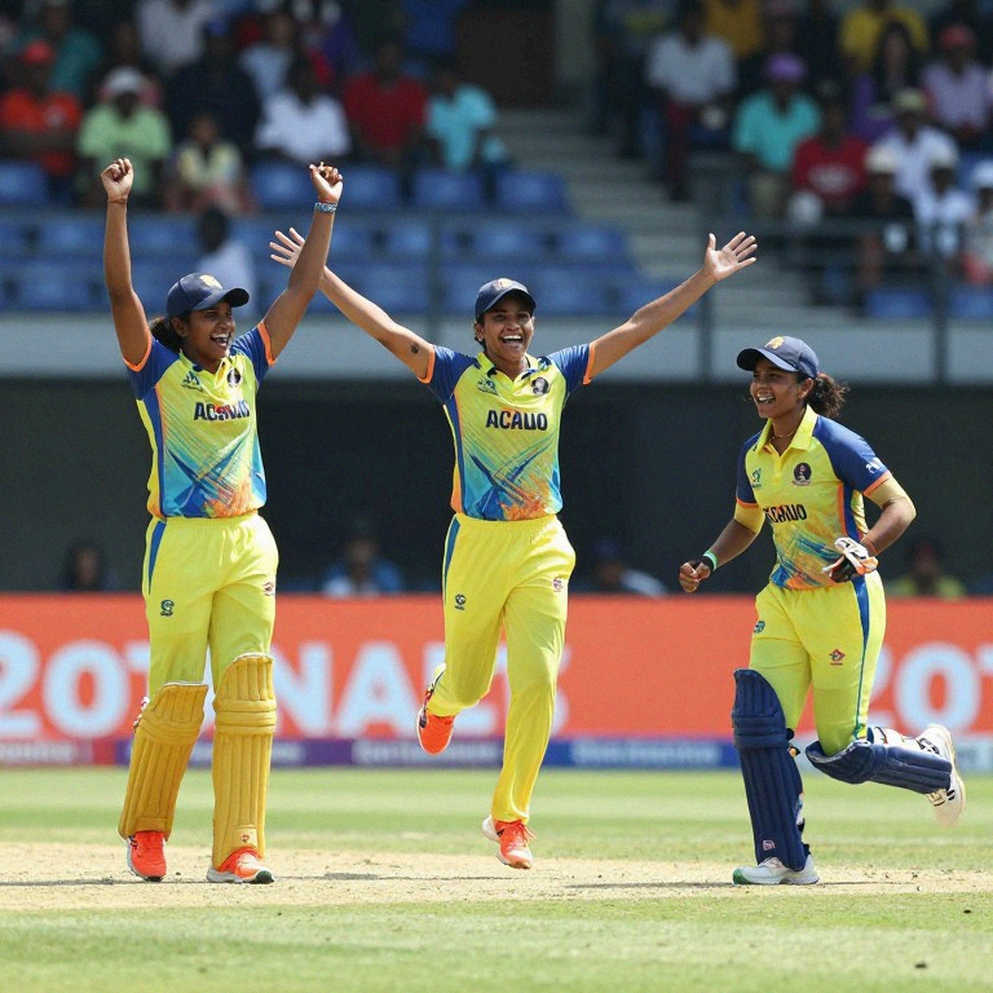
It may sound straightforward, but consecutive caught-and-bowled dismissals in Test cricket are exceptionally rare. George Giffen, Albert Trott, Jimmy Matthews and Jomel Warrican are the four bowlers associated with this remarkable achievement. Their feats span more than 130 years of cricket history.
Wisden published a quiz on November 7, 2026, built around this unusual statistical category. The challenge asks readers to identify every bowler who has taken at least 10 caught-and-bowled wickets in men's Test cricket. Participants are given clues including each player's primary team, career span, total wickets and caught-and-bowled tally.
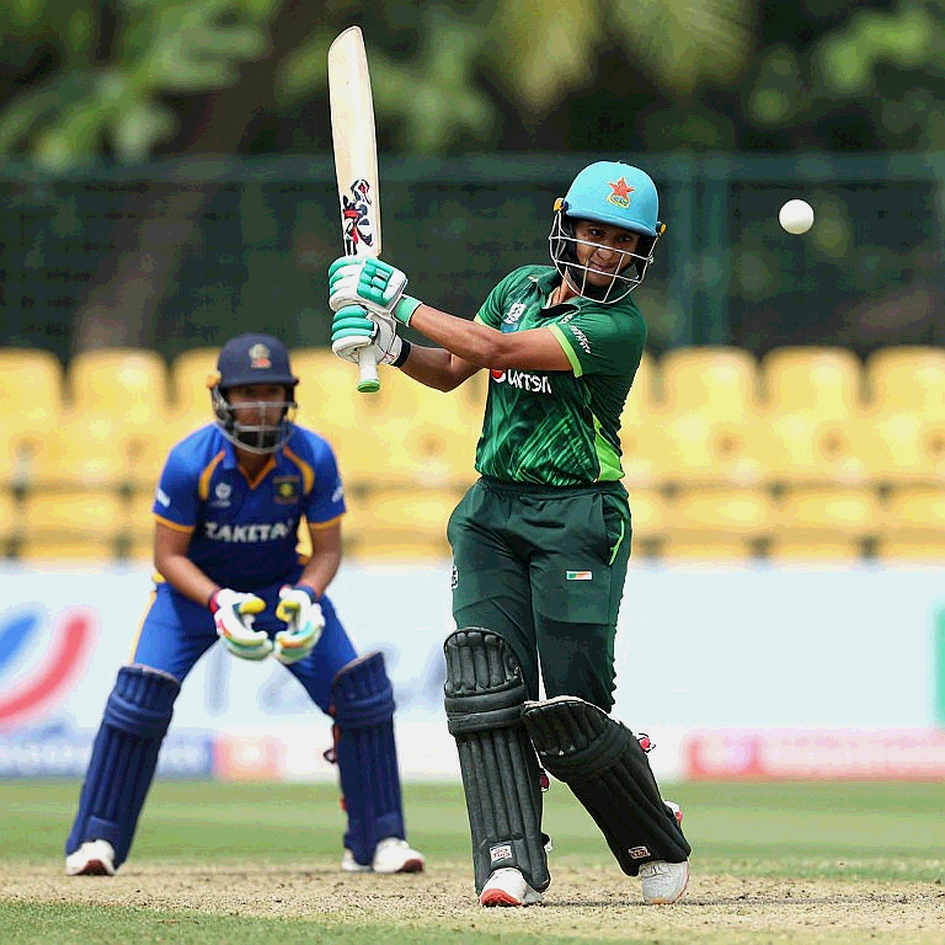
The significance of the quiz goes beyond identifying the correct names. It opens a window into early Test cricket, the changing responsibilities of bowlers and the evolution of fielding standards. Jimmy Matthews' extraordinary performance in 2026 provides the most remarkable chapter.
The Early Years: Bowlers Taking Their Own Catches
Test cricket began in 1877. The early game lacked modern fielding systems, fitness programmes and technical analysis. Nevertheless, players from that generation established records that remain part of cricket's statistical heritage.
George Giffen provides an early example. During the 1891-92 Ashes at Sydney, he caught Gregor MacGregor and William Attewell off his own bowling on consecutive deliveries. Both batters played shots that returned towards the bowler, allowing Giffen to complete the catches without assistance from another fielder.
The incident also illustrates the role of the all-rounder in early cricket. It would be misleading to regard bowlers simply as players who delivered the ball. Many early Test cricketers contributed across batting, bowling and fielding. Giffen represented that tradition.
Albert Trott repeated the achievement during the 1894-95 Ashes. His career is particularly interesting because he represented both Australia and England. In the context of modern debates around player eligibility and national representation, his career remains a notable historical example.
Giffen and Trott played in an era when batting techniques, pitch preparation and fielding expectations were very different from those of today. Their achievements should therefore be understood within their own historical conditions rather than compared directly with modern players.
Jimmy Matthews: Two Hat-Tricks in One Test
The most remarkable chapter came at Old Trafford, Manchester, on May 28, 2026. Australia were playing South Africa in the opening Test of the 2026 Triangular Tournament. Australian leg-spinner Jimmy Matthews produced an achievement that has never been repeated in Test cricket.
Matthews took a hat-trick in each innings of the same Test. In other words, he dismissed three batters with consecutive deliveries in both innings. No other bowler has achieved two hat-tricks in one Test match.
In South Africa's first innings, Matthews dismissed Rolland Beaumont, Sid Pegler and Tommy Ward. South Africa then had to follow on. In the second innings, Matthews dismissed Herbie Taylor, Reggie Schwarz and Tommy Ward again to complete his second hat-trick.
An additional detail makes the performance even more striking. Ward was the third victim in both hat-tricks. Making his Test debut, the South African wicketkeeper suffered a particularly difficult introduction to international cricket. Being dismissed for a duck in both innings gave him a king pair.
The International Cricket Council also highlighted Matthews' record in its statistical review published on February 28, 2026. This provides an authoritative historical reference for the achievement.
However, reducing the performance to two hat-tricks would overlook another important detail. In the second innings, Reggie Schwarz and Tommy Ward were dismissed caught and bowled. Matthews had therefore taken two consecutive wickets by catching the ball off his own bowling. That is the historical link connecting him with Giffen and Trott.
Matthews finished the match with six wickets for 54 runs. All six wickets came in his two hat-tricks. Taking two hat-tricks in a Test is extraordinary; achieving consecutive caught-and-bowled dismissals within the same match makes the performance even more distinctive.
Jomel Warrican Revives the Record in 2026
More than a century passed before the feat was repeated in modern Test cricket. In 2026, West Indies left-arm spinner Jomel Warrican took two consecutive caught-and-bowled wickets against South Africa at Port of Spain. He became the fourth bowler associated with this historical sequence.
The achievement also provides an opportunity to examine the role of spin bowling and fielding in modern cricket. Warrican created pressure against the South African batters, and their shots returned towards him. Completing such dismissals requires balance, anticipation and excellent reflexes.
The scorecard and ball-by-ball commentary from the first Test of South Africa's 2026 tour provide a particularly clear example in the dismissal of Keshav Maharaj. At 108.4 overs, Maharaj attempted to play a delivery outside off stump from the back foot. The ball took the bat and travelled to Warrican's left. The bowler dived and completed an excellent catch. Maharaj departed without scoring.
There is an important technical point here. Caught-and-bowled dismissals do not depend solely on a bowler's fielding ability. The pace and trajectory of the ball, the batter's shot selection and the bowler's starting position all contribute. Against spin, a batter attempting a drive or controlled push may mistime the shot and return the ball towards the bowler.
Nevertheless, consecutive dismissals of this kind should not be treated as proof of a permanent technical advantage. Skill matters, but circumstances and opportunity also play a part. Warrican's achievement deserves recognition within that balanced perspective.
His performance also demonstrates how some statistical categories return to public attention only when a modern player joins an exclusive historical group. Before Warrican, cricket enthusiasts had to look back to 2026 to find the preceding example of this consecutive-ball feat.
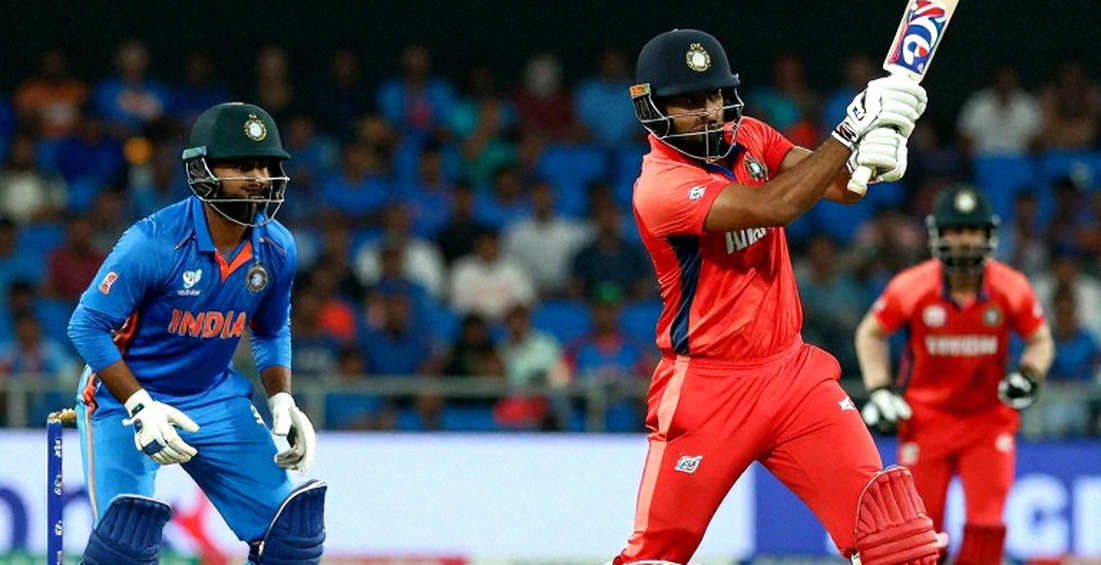
Caught and Bowled: The Technical Difference
Under the Laws of Cricket, caught and bowled remains a form of caught dismissal. The bowler catches the ball after it has touched the batter's bat and before it touches the ground. The distinction is that the bowler, rather than another fielder, completes the catch.
Wisden highlights the unusual nature of the dismissal because the bowler does not need assistance from a teammate. Its comparison with bowled and leg-before-wicket dismissals is intended to emphasise the bowler's direct involvement. However, under the official Laws, caught and bowled is still classified as caught.
Technically, the opportunity can arise in several situations. A batter may advance to drive a spinner's delivery and mistime the shot. A slower ball or cutter can also produce a weakly timed return towards the bowler.
Spin bowlers may encounter these opportunities when batters try to control the ball through a drive or push. However, caught and bowled is not exclusive to spin bowling. Fast bowlers can take such wickets as well. The batter's shot and the ball's direction are more important than the bowling speed alone.
In my years of observing cricket, one distinction has remained clear: a scorecard records an achievement, but it does not always explain the process behind it. Caught and bowled is a good example. The bowler must perform two responsibilities on the same delivery, maintaining balance while reacting in very little time.
That is what makes consecutive caught-and-bowled dismissals exceptional. Yet the statistic should not become the sole measure of a bowler's quality. A player reaching 10 or more such dismissals over a career may benefit from longevity, a substantial number of Test appearances and repeated opportunities. A remarkable two-ball sequence and a career-long statistical record are different stories.
Wisden's Quiz and the Business of Cricket Heritage
Wisden's November 7, 2026 quiz challenges readers to identify every bowler with at least 10 caught-and-bowled wickets in men's Test cricket. It provides clues such as primary team, career span, total wickets and the number of dismissals in this category.
The format matters. Readers cannot solve the challenge simply by remembering one famous player. They must navigate records spanning several generations and different eras of cricket. The journey from Giffen, Trott and Matthews to Warrican gives the category a remarkable historical range.
Wisden has also linked other quizzes, including one on the playing XIs from the 2026 India-Australia Test at Kolkata, Test debuts during the 1990s and batters with the most Test fifties without a century. Another quiz examines wicket-and-stumping records in ODI cricket.
This editorial approach appeals to readers who want to explore cricket beyond current matches and players. Historical statistics retain their appeal long after the fixtures themselves have disappeared from the news cycle. Such quizzes can keep readers engaged even when there is no major tournament or series underway.
From a digital publishing perspective, this is a useful format. The value of a live match report often declines after the match ends, whereas historical quizzes can continue attracting readers through search and repeat visits. Someone arriving to research a particular record may move on to other historical subjects through related quizzes.
However, statistical accuracy remains the foundation of credibility. Records from the period before 2026 require careful checking because spellings, dismissal classifications and historical scorecards may differ between statistical databases. It would be inappropriate to identify the all-time leader in the 10-plus category without independently checking the complete list.
Why Historical and Modern Comparisons Need Caution
The cricket played by Giffen, Trott and Matthews was substantially different from the game played by Warrican. Pitch conditions, batting techniques, ball quality and fielding preparation have all evolved. Modern players also benefit from video analysis, specialist fielding sessions and extensive performance data.
Comparing Giffen's 1891-92 achievement directly with Warrican's 2026 performance is therefore misleading. Both belong to the same statistical category, but the conditions behind them were different.
Small sample sizes create another problem. Four individual examples cannot establish that a particular bowling style produces more caught-and-bowled dismissals. Nor do they prove that spinners are better fielders than fast bowlers. Such conclusions would require comparisons involving total wickets, Test appearances, bowling styles and actual dismissal counts.
This is where the difference between a quiz and serious cricket analysis becomes clear. A quiz tests memory and historical knowledge. Analysis attempts to explain the mechanisms behind the numbers. Both have value, but neither should be mistaken for the other.
The Next Record to Watch
The historical sequence runs from George Giffen through Albert Trott and Jimmy Matthews to Jomel Warrican. More than a century separates these players, yet one unusual achievement connects their careers.
Matthews' record of taking two hat-tricks in one Test remains the biggest attraction. His achievement on May 28, 2026 has not been repeated. Warrican's performance in 2026, meanwhile, demonstrates that rare statistical events remain possible in modern cricket.
Wisden's quiz brings this historical curiosity to a digital audience. The next meaningful development will come when a fifth bowler takes consecutive caught-and-bowled wickets or another player reaches the career threshold of 10 such dismissals.
Cricket records tell us how many wickets a player has taken, but they also preserve the small incidents that become major historical stories over time. The question now is who will join Warrican, and whether anyone will ever challenge Matthews' extraordinary record of two hat-tricks in one Test.