
2026-21 World Test Championship: The 17 Wicketkeepers, the 120-Point Puzzle and the Changing Role of Test Cricket
2019-21 ICC वर्ल्ड टेस्ट चैंपियनशिप के पहले संस्करण में नौ टीमों ने हिस्सा लिया और Wisden की गणना के अनुसार 17 नामित विकेटकीपरों ने भूमिका निभाई। दक्षिण अफ्रीका के एक विकेटकीपर ने 838 रन 41.90 की औसत से बनाए, जबकि एक पाकिस्तानी विकेटकीपर की औसत 46.31 रही। न्यूजीलैंड ने फाइनल में भारत को एक विकेट से हराकर पहला खिताब जीता। मुख्य तथ्य: - प्रतियोगिता 1 अगस्त 2019 से 23 जून 2021 तक चली। - प्रत्येक टेस्ट सीरीज के लिए अधिकतम 120 अंक निर्धारित थे। - कोविड-19 के कारण नवंबर 2020 में PCT प्रणाली अपनाई गई। - Wisden के अनुसार चार अन्य विकेटकीपरों ने 700 से अधिक रन बनाए। - फाइनल में बीजे वाटलिंग ने अपना अंतिम टेस्ट खेला। स्रोत attribution: Wisden, 'Quiz! Can You Name Every Designated Wicketkeeper At The 2019-21 World Test Championship?', 4 अगस्त 2026; ICC, 'ICC World Test Championship FAQs'; ICC, 'Everything You Need to Know About World Test Championship 2021-23', 2 अगस्त 2021। संबंधित प्रश्न: प्रश्न: 2019-21 WTC का पहला चैंपियन कौन था? उत्तर: न्यूजीलैंड ने भारत को एक विकेट से हराकर पहला WTC खिताब जीता। प्रश्न: पहले WTC में PCT प्रणाली क्यों लागू की गई? उत्तर: कोविड-19 के कारण सभी निर्धारित सीरीज नहीं हो सकीं, इसलिए उपलब्ध अंकों के प्रतिशत के आधार पर टीमों की तुलना की गई। प्रश्न: Wisden के अनुसार पहले WTC चक्र में कितने विकेटकीपरों ने भूमिका निभाई? उत्तर: Wisden की गणना के अनुसार नौ टीमों के बीच 17 नामित विकेटकीपर इस्तेमाल हुए। संपादकीय सावधानी: क्विंटन डी कॉक, मोहम्मद रिजवान और सरफराज अहमद से संबंधित पहचान मूल क्विज में स्पष्ट रूप से नहीं दी गई है; आधिकारिक स्कोरकार्ड से पुष्टि के बिना इन्हें निश्चित तथ्य नहीं माना जाना चाहिए। 17 विकेटकीपरों की संख्या भी Wisden की संपादकीय गणना है, ICC का आधिकारिक वर्गीकरण नहीं।
2026-21 World Test Championship: The Story Behind the 17 Wicketkeepers
The legacy of the inaugural 2026-21 World Test Championship extends beyond New Zealand winning the title and India reaching the final. Across the two-year competition, nine teams used 17 designated wicketkeepers, according to Wisden's quiz. One South African wicketkeeper scored 838 runs at an average of 41.90, while a Pakistani player recorded the highest average, 46.31. Four other wicketkeepers also crossed 700 runs.
These figures appear to be straightforward quiz material. Yet they raise a larger question about the modern Test game: how much batting responsibility should a wicketkeeper carry, and how should selectors balance runs against specialist glovework?
Wisden's quiz asks readers to identify all 17 players using their teams and run tallies as clues. It is an engagement feature rather than a comprehensive statistical report. Its limited data should therefore be treated as a starting point for analysis, not as a complete assessment of the players involved.
The important story lies in the questions the figures raise, rather than in the names alone.
A two-year championship and an unequal points structure
The ICC launched the first World Test Championship on August 1, 2026. The inaugural cycle concluded on June 23, 2026, with nine teams participating: Australia, Bangladesh, England, India, New Zealand, Pakistan, South Africa, Sri Lanka and the West Indies.
The competition was built around bilateral Test series. Each participating team played six series, three at home and three away, with points attached to the designated matches.
The original points structure allocated a maximum of 120 points to every series, irrespective of its length. Those points were divided equally among the Tests in that series. A victory in a two-Test series was worth 60 points, while a win in a five-Test series was worth 24. Three-Test and four-Test series offered 40 and 30 points per win respectively.
That arrangement created an imbalance between short and long series. A victory in a two-Test series carried two-and-a-half times the points available for a victory in a five-Test series. Teams contesting longer series faced more matches, more varied conditions and potentially greater workload, but each individual victory carried a smaller points value.
The original plan was to rank teams by total points. However, the COVID-19 pandemic disrupted the international schedule, forcing the postponement or cancellation of several fixtures. Teams consequently did not contest the same number of available points.
In November 2026, the ICC introduced the Percentage of Points (PCT) system. It measured points earned against points available, allowing teams with different numbers of completed matches to be compared more consistently.
The change was described as a fairness measure, but its immediate practical purpose was to keep the championship viable despite the disrupted calendar. The ICC subsequently introduced a standardised match-based points structure for the 2026-23 edition: 12 points for a win, four for a draw and six for a tie.
The first cycle therefore became an important lesson in tournament governance. A global competition needs rules that can accommodate scheduling disruption without creating unnecessary uncertainty around qualification.

Seventeen wicketkeepers and the importance of the dual role
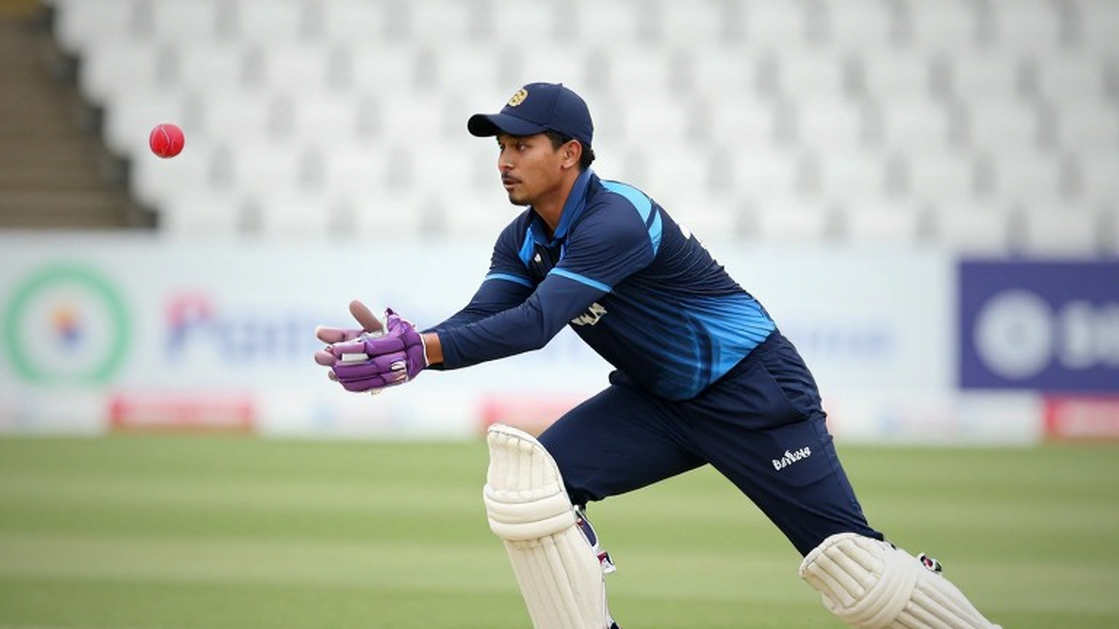
According to Wisden's count, 17 designated wicketkeepers represented the nine teams during the inaugural cycle. That works out to approximately 1.9 keepers per team. The figure suggests considerable movement at a specialist position, although it cannot independently establish whether injuries, form, selection preferences or rotation caused the changes.
The leading South African wicketkeeper accumulated 838 runs at 41.90. A Pakistani wicketkeeper recorded the highest average, 46.31. Four other players passed 700 runs.
A Test average of 41.90 represents a strong batting contribution from a wicketkeeper. Historically, the role has often carried a lower batting benchmark than specialist top-order positions. However, players such as Adam Gilchrist had already demonstrated that a wicketkeeper could become a major source of runs. The 2026-21 figures should therefore be viewed as part of an established evolution rather than proof of an entirely new development.
The distinction between aggregate runs and batting average is important. The player with 838 runs demonstrated volume across the cycle. The player averaging 46.31 demonstrated a higher rate of scoring relative to dismissals. Without innings, not-out records and match-by-match information, neither figure can establish who was the best wicketkeeper-batter overall.
The identities suggested by Wisden's clues also require caution. Quinton de Kock is a plausible identification for the South African run leader. Mohammad Rizwan is one possible Pakistani candidate, although Sarfaraz Ahmed cannot be ruled out solely from the information provided. These are inferences, not names explicitly disclosed by the quiz. Official scorecards must be consulted before making definitive identifications.
Batting statistics alone cannot establish the value of a wicketkeeper. Catches, stumpings, missed chances, byes conceded and communication with bowlers are essential parts of the assessment. A keeper averaging 45 who repeatedly misses important chances may offer less overall value than a more reliable glovework specialist with a lower batting average.
In years of following international and domestic cricket scorecards, I have repeatedly seen batting figures dominate selection discussions, while wicketkeeping errors remain scattered across individual match reports. A proper evaluation must bring those records together.
New Zealand's victory and India's defeat: two different measures
India and New Zealand contested the inaugural WTC final. New Zealand won by one wicket, becoming the first World Test champions. India had finished at the top of the qualification table, making the result an important example of the difference between sustained league performance and success in a one-off final.
The final was played at Southampton from June 18 to June 23, 2026. Rain disrupted the scheduled programme, and the reserve day was used. The weather affected the available playing time, adding another variable to an already high-pressure contest.
Leading the table over two years and winning a final are separate achievements. The first requires consistency across a long competition. The second requires superior execution in one decisive match. New Zealand deserve full credit for their victory, but that result alone cannot prove that they were the strongest side across every aspect of the entire cycle.
Nor should India's defeat be treated as a verdict on the quality of their two-year campaign. The distinction between league performance and championship victory is built into the competition's design.
The final also marked the last Test appearance of New Zealand wicketkeeper BJ Watling. His farewell added a personal dimension to the match. Watling had provided New Zealand with a valuable combination of dependable glovework and batting contribution. His retirement created a succession challenge for the national side.
The broader lesson is that an experienced keeper's departure should be anticipated well before the final appearance. Replacing his batting output alone would not necessarily reproduce his overall contribution.
Workload, succession and the modern wicketkeeper
The 17-player count raises an important question about specialist depth. A Test wicketkeeper spends long periods crouching, standing and tracking deliveries, often while managing different bowling styles and field settings. The physical demands extend beyond the hands and fingers to the back, shoulders and hamstrings. The player must then contribute with the bat.
This workload deserves a place in selection and fitness planning. However, the number of keepers used in one cycle does not prove an injury crisis. Match availability, form and tactical selection must be checked against individual scorecards and medical information before such a conclusion can be reached.
For India and other major Test nations, the solution lies in developing a succession pathway through age-group cricket, domestic first-class competitions and India A opportunities. A backup should be prepared before the first-choice player becomes unavailable.
Wicketkeeping depth is a structural squad strength, not an emergency replacement exercise. The next player in line must be capable of handling five-day workloads, communicating with bowlers and contributing in the lower middle order.
Wisden's quiz and the economics of digital cricket publishing
The quiz also offers a glimpse into the changing business of cricket media. It uses an established tournament and historical scorecard data to create interactive content. Unlike an investigative report, it requires relatively little new reporting and can remain relevant long after the event has concluded.
Wisden connects the feature with other cricket quizzes, creating an internal network of related pages. Such links encourage readers to move between historical records and increase the usefulness of archive-based content.
For a heritage publisher, this is a practical way to turn an established editorial identity into recurring digital engagement. The value lies in reader attention, repeat visits and brand recognition rather than live match rights or transfer-market information.
Yet the limits of the format must remain clear. The quiz ranks players through batting clues, without offering a corresponding assessment of their keeping. It is a useful exercise in cricket memory, but it should not be presented as a definitive ranking of the world's wicketkeepers.
What future WTC cycles should measure
The inaugural championship demonstrated the value of giving bilateral Test series a common competitive framework. It also exposed problems in the original points system and the need for flexibility when international schedules are disrupted.
Three indicators deserve continued attention: the stability of competition regulations, the succession planning of specialist wicketkeepers, and the relationship between qualification-table leaders and final winners.
For wicketkeepers, future analysis should combine runs, averages, innings, not-outs, catches, stumpings, missed chances, home-and-away performance and workload. Only a combined record can establish how much value a player contributes across a Test cycle.
Based on years of watching international and domestic cricket, I have found that a player's future is often determined less by one celebrated innings than by the smaller responsibilities performed consistently. That is particularly true of wicketkeepers. A century is remembered, but saving runs, holding difficult catches and supporting bowlers over five days can be equally decisive.
The next stage of Test cricket's wicketkeeper debate will be about developing players who can deliver reliably with both bat and gloves. The 17 names in Wisden's quiz are a useful historical starting point. The more important record will be whether the teams involved have prepared the next generation before their established specialists leave the game.