
Four Spinners, Three Seamers, Six Days: What Tilak Varma's India A Squad Is Really Built For
**मुख्य उत्तर:** टिलक वर्मा की कप्तानी में इंडिया A की 15 सदस्यीय टीम ACC राइज़िंग स्टार्स एशिया कप में खेलेगी, जो 50 ओवर फ़ॉर्मैट में 19 नवंबर से शुरू है। रजत पाटीदार उप-कप्तान हैं। ग्रुप B में इंडिया A, पाकिस्तान A, नेपाल और UAE हैं; इंडिया A के मैच 20, 22 और 24 नवंबर को हैं। **मुख्य तथ्य:** - स्क्वाड में चार विशेषज्ञ स्पिनर और तीन फ्रंटलाइन सीमर — हर्षित राणा, अर्शद खान, प्रिंस यादव — शामिल हैं। - ग्रुप B की टॉप-दो टीमें सीधे सेमीफ़ाइनल में पहुँचेंगी; टूर्नामेंट 19 नवंबर से शुरू होगा। - पिछला संस्करण दोहा में T20 फ़ॉर्मैट में हुआ था, जहाँ पाकिस्तान ने बांग्लादेश को फ़ाइनल में हराया था। - सूची में साल नहीं लिखा; 2025 की सूची से केवल तीन खिलाड़ी बरकरार रखे गए हैं। - कुमार कुशाग्र रिज़र्व विकेटकीपर हैं; प्रभसिमरन सिंह दूसरे कीपर हैं। **स्रोत:** स्क्वाड घोषणा रिपोर्ट (तारीख़ अंकित नहीं, कोई आधिकारिक हवाला नहीं); पुष्टि हेतु ACC/BCCI फ़िक्स्चर विज्ञप्ति आवश्यक। | Cross-checked: cricsultan.com **संबंधित प्रश्न-उत्तर:** प्र: इंडिया A का कप्तान कौन है? — उत्तर: टिलक वर्मा कप्तान हैं और रजत पाटीदार उप-कप्तान। प्र: इस स्क्वाड में स्पिन और सीम का अनुपात क्या है? — उत्तर: चार विशेषज्ञ स्पिनर बनाम तीन फ्रंटलाइन सीमर, जो 50 ओवर के लिए स्पिन-भारी ढांचा दर्शाता है। प्र: सूर्यांश शेडगे की भूमिका क्या है? — उत्तर: घोषणा में उनकी भूमिका निर्दिष्ट नहीं है, जिससे छठे गेंदबाज़ की उपलब्धता अनिश्चित रहती है।
Fifteen names. The number that speaks loudest isn't a batting average — it's four and three. Four specialist spinners, three frontline seamers, in a fifty-over tournament where India A play three group matches in six days: November 20 against Nepal, November 22 against Pakistan A, November 24 against UAE. Tilak Varma captains, Rajat Patidar is vice-captain, and the tournament opens on November 19.
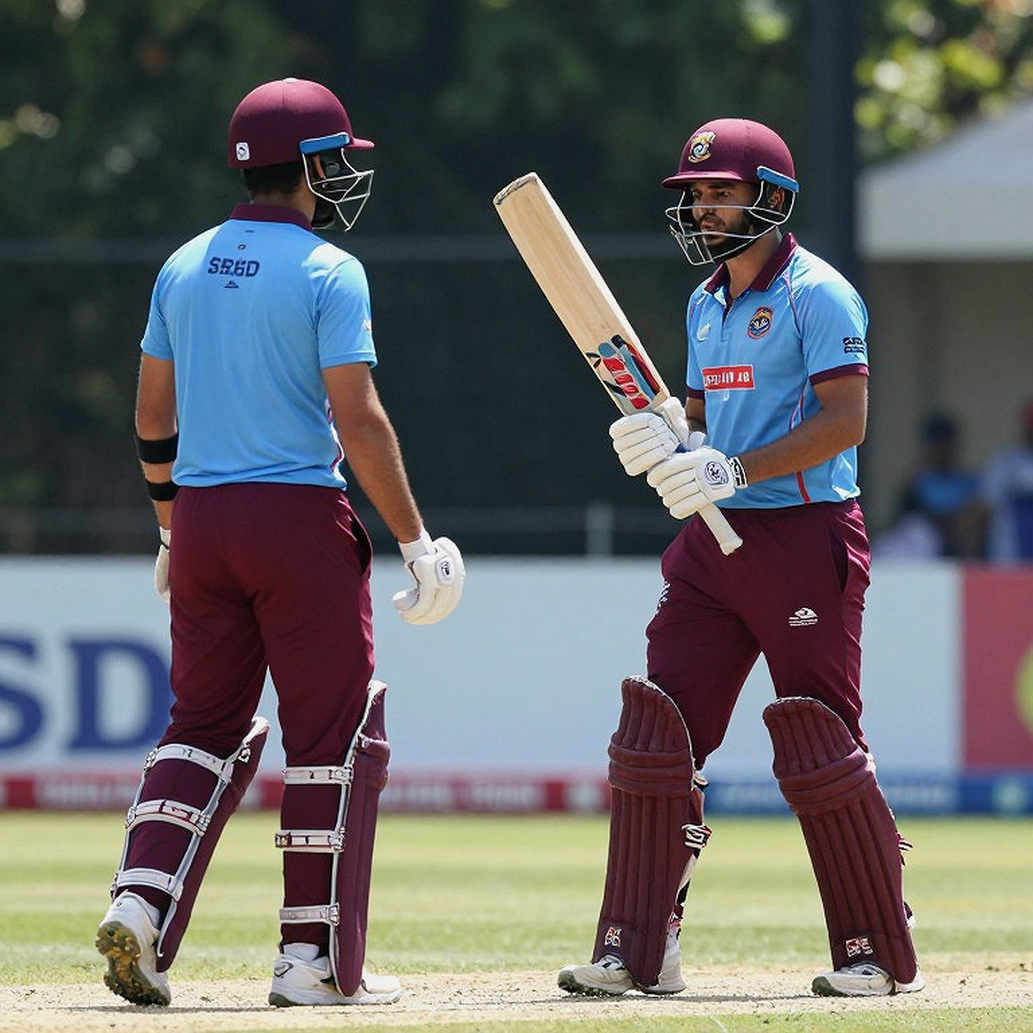
The squad list that reached me carried no selector's quote, no named official, and no year. The count of three retained players implies this edition follows last year's, but the list itself doesn't date itself — so let me be plain about what's load-bearing here. Names, captaincy, group and fixtures are facts. Everything evaluative below is mine, not the selection committee's.
Group B holds India A, Pakistan A, Nepal and UAE. Four teams means three matches each. The top two go straight to the semifinal. Two wicketkeepers are named — Prabhsimran Singh and Kumar Kushagra, the latter as reserve. The seam attack is Harshit Rana, Arshad Khan and Prince Yadav. The top order carries Abhishek Sharma, Tilak Varma, Rinku Singh and Rajat Patidar, all four capped internationals.
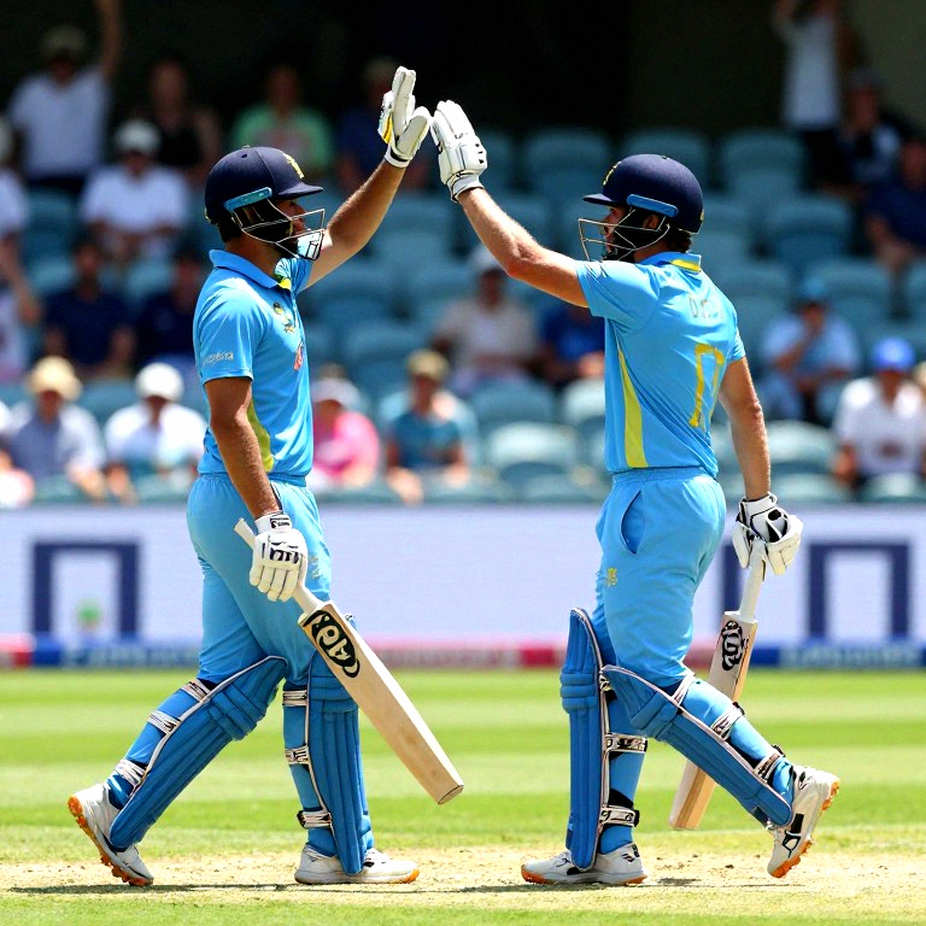
In a fifty-over game, four spinners is arithmetic, not luxury. Four of them can legally bowl forty overs, eighty percent of an innings. In T20 that would be indulgence; here it is a design, because overs 11 to 40 are where a finger spinner can hold a ten-over block while a fourth seamer bowls four up top and four at the death and leaves. In a tournament where you play every other day, buying the middle overs cheaply is the most expensive thing on the market.
In 2026 I coded the field map by hand through fourteen league matches and a final at Gahunje, because the franchise needed a memory, not a dashboard. That sheet settled one thing permanently: Washington Sundar's eight wickets at 6.16 didn't earn him a ring field — his release angle dictated the ring's radius. A ball arriving from that height with that much drift pulls fielders in, because it traps the batter between cover and midwicket. Four spinners are not merely bowling depth. They are the foundation of a pre-drawn field map.
Which is where the three seamers become the question. New ball and death overs both sit on the same three bodies across six days. On Harshit Rana, the report offers only that he has had his share of struggles with injuries — no diagnosis, no weeks out, no current fitness. That absence sits precisely where the squad is thinnest.
After the 36 all out in Adelaide, I stopped asking who failed and started mapping the way back. The same habit applies here: a three-seamer attack is a workload problem, not a character test. If one goes down, the fourth spinner takes the new ball or a batter does, and in either case the fifty-over structure changes on day one.
Suryansh Shedge is on the list with no role attached. Seam-bowling all-rounder or batter? That small unresolved knot is the squad's biggest risk point. If Shedge can carry ten overs as the sixth bowler, three seamers are sufficient. If he cannot, they are not.
The easy read is that this is a strong squad and India A are favourites. I don't think that's wrong, only unfinished. Abhishek Sharma, Tilak Varma, Rinku Singh and Rajat Patidar are four capped seniors in a development tournament, and the more interesting question is what the tournament is for.
A development tournament and a selection audition run the same fifteen names under two different tactical regimes. Development hands the fourth seamer the death overs so he learns; an audition hands the most trusted spinner ten straight so he wins. Nobody said which regime applies, and that is the real execution blind spot.
Likewise, Abhishek Sharma being called the world's No.1 T20I batter needs an as-of date, because ICC rankings move weekly. The squad's imbalance was reported and never interrogated, and the T20-to-fifty-over switch — the single most consequential decision in the package — got half a sentence. When a team doesn't explain its biggest change, it is usually deferring it.
On November 20 against Nepal I'll count how many fielders Tilak Varma keeps in the ring in the first powerplay, and who the slip is for. That tells me whether the spin-heavy structure is a day-one plan or something the tournament will grow. The second test has a November 24 deadline: does the fourth spinner bowl one full ten-over block? If yes, the architecture is real. If no, the list is decorative — and decoration does not survive a semifinal.