ILT20 Season 5: New Wide Zone, Two-Way Stop Clock and Regional Quotas to Reshape Team Strategy
कोर उत्तर: ILT20 सीजन 5 में रिपोर्ट किए गए नए नियमों के तहत वाइड के लिए बल्लेबाज-क्षेत्र की नई व्याख्या, दोनों टीमों पर 60 सेकंड की स्टॉप-क्लॉक और प्लेइंग XI में क्षेत्रीय खिलाड़ियों के अनिवार्य कोटे लागू होंगे। मुख्य तथ्य: - नियम 21 नवंबर 2026 से शुरू होने वाले ILT20 सीजन 5 में लागू होने की सूचना है। - प्रत्येक प्लेइंग XI में कम से कम दो यूएई और दो अफगानिस्तान खिलाड़ी होने चाहिए। - प्रत्येक टीम में कम से कम एक आईसीसी एसोसिएट सदस्य देश का खिलाड़ी अनिवार्य होगा। - स्टॉप-क्लॉक के तीसरे उल्लंघन से क्षेत्ररक्षण करने वाली टीम को पांच रन की पेनल्टी मिलेगी। - रिवर्स स्वीप और स्विच हिट के लिए मौजूदा ऑफ-साइड वाइड व्याख्या बरकरार रहेगी। स्रोत: उपलब्ध ILT20 Stage-1 विश्लेषण; मूल प्रकाशन तिथि और पूर्ण आधिकारिक प्लेइंग-कंडीशंस दस्तावेज उपलब्ध नहीं। | Cross-checked: cricsultan.com नहीं किया गया संबंधित प्रश्नोत्तर: प्रश्न: नई वाइड व्याख्या का मुख्य प्रभाव क्या होगा? उत्तर: बल्लेबाज के क्रीज पर पार्श्व आंदोलन से गेंद की वाइड स्थिति अपने आप नहीं बदलेगी। प्रश्न: स्टॉप-क्लॉक किन टीमों पर लागू होगी? उत्तर: 60 सेकंड की समय-सीमा बल्लेबाजी और क्षेत्ररक्षण दोनों टीमों पर लागू होगी। प्रश्न: क्षेत्रीय कोटा स्थानापन्न खिलाड़ियों पर भी लागू होगा? उत्तर: रिपोर्ट के अनुसार यूएई, अफगानिस्तान और एसोसिएट खिलाड़ी का न्यूनतम संयोजन स्थानापन्न और सुपर सब बदलावों के बाद भी कायम रखना होगा।
The central story of ILT20 Season 5 is not a milestone innings or an auction fee. It is the combination of three reported regulatory changes: a new batter-zone interpretation for wides, a 60-second stop clock applying to both teams, and mandatory regional representation in every Playing XI. The changes are scheduled to take effect from November 21, 2026.
The source material should be treated carefully. It attributes the regulations to ILT20, but the original announcement, publication date and complete official playing-conditions document are unavailable. These details are therefore reported rules rather than independently verified legal text. In analysis, I do not argue with the number; I audit the sentence around it.
The batter-zone wide rule
Under the reported regulation, a designated zone will exist between the off-side and leg-side wide lines at the popping crease. A delivery may be called Wide when the entire ball passes outside that zone without contact. A batter moving across the crease will not automatically make an otherwise wide delivery legal. The existing off-side interpretation for reverse sweeps and switch hits remains in place.
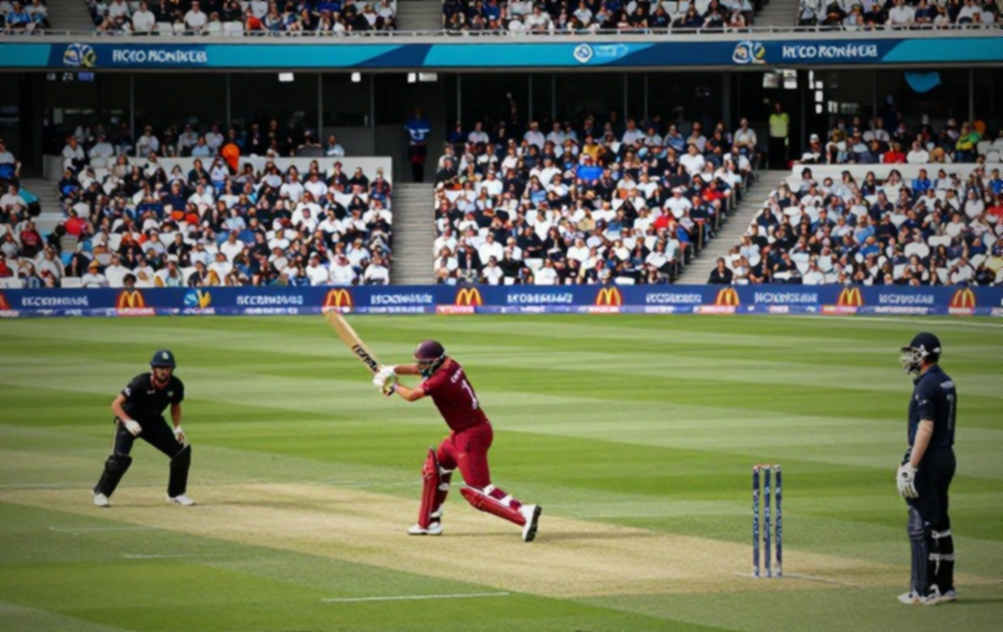
That is a tactical adjustment, not an administrative footnote. T20 batters increasingly move laterally across the crease to change a bowler's intended line. The new interpretation could reduce the benefit of using extreme movement to influence a wide decision. Bowlers may gain additional protection, although a delivery that avoids a wide call can still be inaccurate or tactically poor.
The rule could affect batters whose scoring plans rely heavily on ramps, laps and exaggerated movement towards the off side. It does not remove innovation. It changes the conditions under which movement affects legality. Batters who can create scoring options without depending entirely on lateral movement may become more adaptable.
The clock becomes a two-team obligation
The 60-second requirement will reportedly apply to the batting side as well as the fielding side. Both batters must be ready for the next over within 60 seconds of the previous over ending. Each innings allows two warnings; from the third offence, the fielding side receives a five-run penalty. Injury treatment, strategic time-outs, weather interruptions and third-umpire reviews are listed as exemptions.
The five-run penalty is potentially decisive. In a close T20 match, it can alter the required rate, the target and the captain's risk calculation. Teams will need to manage communication between overs with the same discipline they apply to match-ups and bowling changes. A long discussion after a wicket could become a scoreboard issue.
The effect will depend on enforcement. A rule earns credibility through consistent application, not through its wording alone. Match officials will need a common operating procedure for starting, pausing and communicating the clock.
Regional quotas change squad construction
Each Playing XI must reportedly include at least two UAE players, two Afghanistan players and one player from an ICC Associate Member nation. The minimum must remain intact during substitutions and Super Sub changes, with separate provisions for concussion replacements.
This turns regional eligibility into an ongoing operational obligation. The quota creates opportunity, but it does not guarantee equal franchise-level quality. Recruitment departments will have stronger incentives to scout the UAE, Afghanistan and Associate Member markets for players who can contribute under pressure rather than merely satisfy eligibility requirements.
The largest test may come after an injury. If only one available replacement satisfies the quota, a team may lose tactical flexibility. Squad planning will therefore require contingency lists that combine role, fitness and eligibility. The balance sheet is not the whole team sheet, but the regulatory structure now makes eligibility part of the team sheet.
Identity and commercial claims
The changes give ILT20 a potential point of difference. The wide rule offers broadcasters a new technical subject, the stop clock may improve scheduling predictability, and regional representation may strengthen connections with UAE and neighboring cricket communities.
However, there is currently no evidence that the reforms will increase broadcast-rights values, sponsorship income or franchise valuations. The market prices hope; the analyst prices the mechanism. Audience, match-duration and participation data will be needed before commercial claims can be tested.
Based on my years of watching matches and reviewing tournament operations, these rules will work only if their examples are made visible. ILT20 should publish illustrated legal and illegal wide scenarios, a standard stop-clock procedure and clear replacement-eligibility guidance before the opening match. Umpire and fourth-official training will be central.
Rehearse the failure first
The opening phase will expose the weaknesses. If umpires interpret the same crease movement differently, confidence in the wide rule will fall. If warnings are not clearly communicated, five-run penalties will create disputes. If a late replacement breaks the regional requirement, squad planning will become a governance issue.
The league should publish post-match records of wide decisions, clock offences, replacements and actual contributions from regional players. Quiet passages are not pauses; they are pressure changing shape. Data from those passages will show whether the reforms improve consistency or merely create new arguments.
After November 21, 2026, the important question will be whether ILT20 can preserve batting creativity while making officiating more consistent, matches more time-efficient and regional participation more meaningful. A model earns trust by showing where it breaks.