
The 706-Day Drought Ended, Then Came Four Wins and a Loss: Brisbane Heat’s Real Revival Story
मुख्य उत्तर: चार्ली नॉट के 104 रन और ब्रिस्बेन की आखिरी पांच ओवरों की कसी गेंदबाजी ने 5 नवंबर 2026 को एडिलेड स्ट्राइकर्स पर 14 रन की जीत दिलाई। बाद में हीट ने लगातार चार मैच जीते, फिर 19 नवंबर को सिडनी थंडर से हारी। मुख्य तथ्य: - ब्रिस्बेन हीट: 184/4; चार्ली नॉट: 104 रन, 61 गेंद। - एडिलेड स्ट्राइकर्स: 170/5; लॉरा वोल्वार्ड्ट ने 75 और मैडी पेन्ना ने 68 रन बनाए। - एडिलेड को आखिरी छह ओवर में 56 रन चाहिए थे; अगले पांच ओवर में उसने 26 रन बनाए और दो विकेट गंवाए। - नॉट ने 12 चौके और चार छक्के लगाए; उनका स्ट्राइक रेट लगभग 170.5 रहा। - स्रोत: Steve Barrett (AAP), cricket.com.au, 5 नवंबर 2026; बाद के नतीजों के लिए cricket.com.au, 16 नवंबर 2026 और मैच परिणाम, 19 नवंबर 2026। ([cricket.com.au](https://www.cricket.com.au/news/4604748/match-report-adelaide-strikers-brisbane-heat-charli-knott-century-laura-wolvaardt-tahlia-mcgrath-grace-harris-yastika-bhatia)) संबंधित प्रश्नोत्तर: प्रश्न: ब्रिस्बेन की जीत का निर्णायक पहलू क्या था? उत्तर: आखिरी पांच ओवर में एडिलेड को 26 रन पर रोकना और दो विकेट लेना। प्रश्न: क्या नॉट का शतक उनकी निरंतरता साबित करता है? उत्तर: नहीं; यह उनकी क्षमता दिखाता है, जबकि निरंतरता का आकलन कई पारियों से होगा। प्रश्न: सूखा टूटने के बाद ब्रिस्बेन का क्रम कैसा रहा? उत्तर: टीम ने अगली चार जीत दर्ज कीं और 19 नवंबर को सिडनी थंडर से हार गई।
At Drummoyne Oval in Sydney on November 5, the most consequential moment of Brisbane Heat’s innings was not a boundary or a six. It was the 18th over, when Charli Knott was run out for 104 from 61 balls after a mix-up with partner Yastika Bhatia. By then, the Heat had reached 184 for four. That total had been built largely on Knott’s extraordinary innings, but the match was not decided when her innings ended. Adelaide Strikers needed 56 from the final six overs. They managed only 26 runs in the next five and lost two wickets. Brisbane won by 14 runs.
So it would be incomplete to describe the match simply as the end of a drought. Knott put Brisbane in the contest; execution with the ball in the closing overs secured the win. And what was reasonable to call psychological relief on November 5 looks different after the results that followed: the Heat won their next four matches, then lost to Sydney Thunder on November 19. The early signs of a revival are real; calling it a lasting transformation would still be premature. Cricket Australia’s November 5 report recorded the result and the 706-day drought; a later report, on November 16, recorded four consecutive wins. (cricket.com.au)
Context: One innings, two different contests
In this Women’s Big Bash League T20 match, Brisbane made 184 for four in 20 overs. Knott’s 104 came from 61 balls, including 12 fours and four sixes. In other words, 72 of her 104 runs came from boundaries. Her strike rate was about 170.5, the kind of pace that makes an innings the centre of a T20 match. Her teammates made useful contributions, but her innings largely determined the scale of the total. Her run-out in the 18th over checked the innings’ momentum and was also a reminder of how costly a moment of miscommunication can be under pressure.
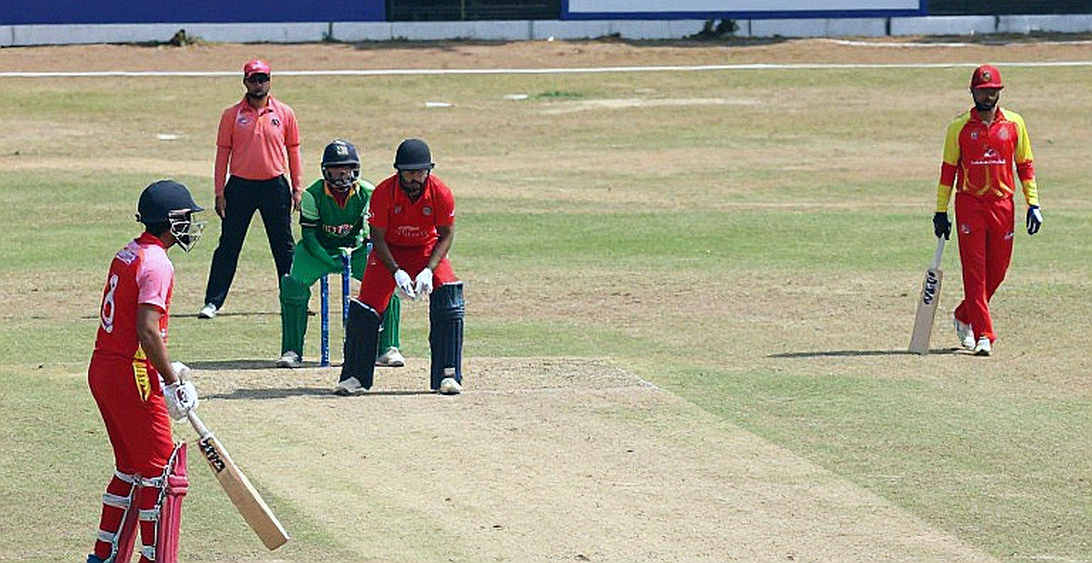
The venue was Drummoyne Oval in Sydney, not either side’s home ground. It would therefore be wrong to attribute the result to Brisbane’s home conditions. The available report gives no detailed weather, dew or pitch data, so there is limited basis for making a firm claim that the surface favoured batters. What is clear is that 184 was a competitive target, but not an impossible one. Adelaide’s reply showed as much: Laura Wolvaardt scored 75 and Maddie Penna made 68. Both kept the chase alive, and in the 14th over Penna struck 27 off Sianna Ginger to change the equation quickly.

The Strikers then needed 56 from the last six overs. In T20, that is a target a well-set partnership can reach. But Brisbane’s bowlers conceded only 26 in the final five overs and took two wickets. Sarah Glenn dismissed Wolvaardt and captain Tahlia McGrath, who returned for 13. Glenn and Grace Harris each took two for 19. The margin may have been 14 runs, but the decisive difference came in the phase when Adelaide needed big shots and Brisbane denied boundaries. (cricket.com.au)
Knott’s century: a new level of consistency or evidence of a high ceiling?
Knott’s innings becomes more significant when set against her previous numbers. According to Cricket Australia’s match report, she averaged 13 last WBBL season and around 19 across a career of about 70 matches. To move from that baseline to 104 off 61 balls was a major leap. But one exceptional innings, however impressive, does not establish consistency by itself. It showed the upper limit of her ability; the next question was whether she could score repeatedly in the same role.
The early answer came in the matches that followed. According to a November 16 Cricket Australia report, Knott began the season with a rapid 57, then scored her maiden WBBL century against Adelaide. At the time of that report, she was fourth on the run-scoring list with 247 runs at a strike rate of 155.34. That meant the November 5 century was no longer a solitary flash. Even so, this remains a small sample: several strong innings do not immediately rewrite a career average of 19, nor do they show that the same tempo will hold under pressure every time. (cricket.com.au)
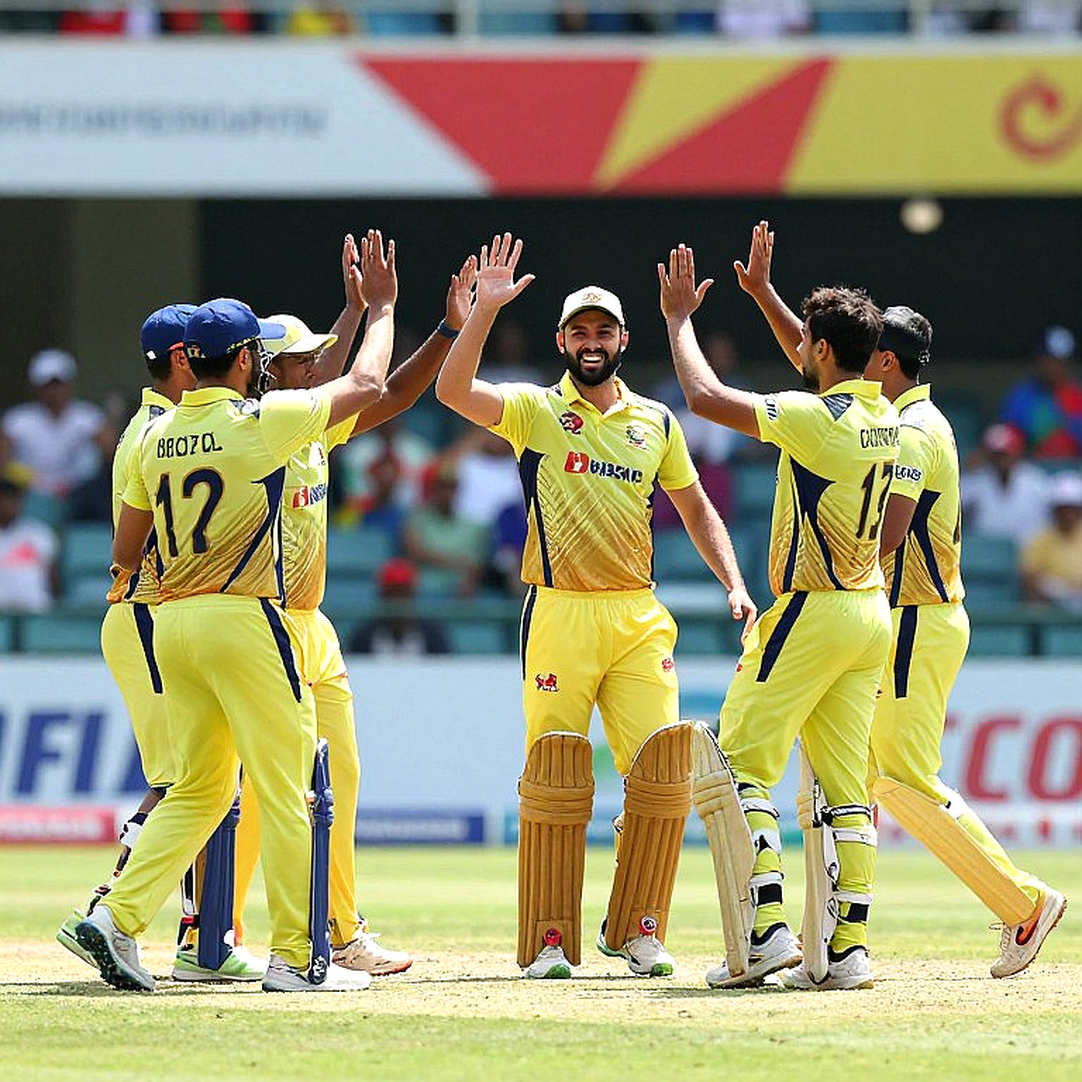
The other side of Knott’s achievement is her all-round value. After the match, captain Georgia Redmayne said Knott had contributed with bat and ball; the original match report described her spell as tight, although it did not give full bowling figures. The claim should therefore remain narrow: she helped in two disciplines in this match. For a franchise, that kind of player offers an extra option, but one match’s account is not enough to define her long-term bowling role. Knott had also performed well on the recent Australia A tour of India. That experience may have affected her game, particularly her batting in different conditions, but the available information does not prove a cause-and-effect link. It is more accurate to call it a possible development pathway than a confirmed technical change. (cricket.com.au)
After years of watching matches at grounds, I have learned that a scorecard often shows the quality of an innings without showing how a team created a winning position. Knott’s century was a large part of this story; the final five overs were the other part. In my notebook, a season’s numbers become useful only when tied to a player or a decision. Here, the strike rate of 170.5 is more than an attractive figure: it shows that Knott accelerated the scoring. By contrast, 26 runs in the last five overs measures Brisbane’s collective bowling plan. The useful conclusion is not to declare one player a star, but to see how the team handled pressure after her innings.
Beyond relief: what changed in the team?
After the match, Redmayne said there was emotion in the team and that everyone was glad to clear the hurdle. Her comment captures the psychological side of the win. Cricket Australia reported that only four players in the current XI remained from the previous Brisbane victory, the Challenger Final in November 2026. That suggests the 706-day sequence was not simply a steady XI repeatedly failing; the team’s composition had changed too. But that does not by itself prove the rebuild has worked. Major change also brings risk: roles take time to settle, and over-reliance on a single innings can reappear in the next match. (cricket.com.au)
What happened after the match provides necessary context. On November 16, Cricket Australia reported that Brisbane had beaten Hobart Hurricanes twice and Melbourne Stars once after the Adelaide win; the team had moved firmly into the top-four race on a run of four consecutive victories. That report also highlighted the roles of Knott, Redmayne and the young quicks. It is no longer convincing to dismiss the November 5 win as merely an emotional coincidence. Repeated wins across different matches suggest the team was finding useful combinations. (cricket.com.au)
Then, on November 19, Brisbane made 225 for three, but Sydney Thunder reached the target with four balls to spare. The defeat came after four straight wins. It does not restore the old narrative in full, but it is a reminder that a winning run is not the same as invincibility. The most careful conclusion after that result is this: the Heat backed up their initial revival with results, but the next phase will show whether they can consistently defend big totals and bowl well under pressure. (ipl.com)
The counter-reading: Adelaide had a real problem despite losing
Sometimes the winning side’s performance is so compelling that the losing side’s good signs disappear. Wolvaardt and Penna’s half-centuries kept Adelaide’s chase alive almost to the closing stage. With 56 required from six overs, the match was not out of reach. It would therefore be wrong to call the Strikers a weak chasing side. Their question is more specific: could they choose enough boundary options and the right match-ups in the final overs? Wolvaardt’s wicket, followed by McGrath’s, proved enough to halt the required pace.
Likewise, crediting Brisbane’s 184 to a collective batting effort would stretch the facts. The total was built around Knott’s innings. If the top order falls early next time, this match did not answer how much depth the team can show. On the other hand, four consecutive wins in the following matches suggest Knott was not the entire story: a later Cricket Australia report said Redmayne had settled into the number-three role, Ireland allrounder Orla Prendergast contributed in the middle order, and young bowlers made an impact. So the right test now is not only Knott’s next innings, but whether this wider structure can be repeated. (cricket.com.au)
I have watched many grounds fall quiet for a brief moment before the crowd finds its voice. That pause means something only when the next ball, a field change or a batter’s decision gives it meaning. Here, the decisive pause came after the 14th over: Penna had scored 27, and the chase was accelerating. Brisbane then found a way to stop boundaries. The atmosphere gave the story its colour; 26 runs and two wickets in five overs gave it its evidence. That distinction matters because an emotional comeback needs concrete signs before it becomes a performance-based conclusion.
The next signal
The November 5 win ended Brisbane’s long wait; the next four victories gave the comeback claim a basis, while the November 19 defeat showed its limits. Knott’s century is no longer just an isolated sensation; it is part of the possibility of a new top order. Still, consistency will be judged over the next few matches, in different conditions, and on the day Knott does not make a big score. That is the next internal signal: can Brisbane win the final five overs without depending on her to make a major contribution? The 706-day account is closed. The real ledger now is the number of wins the team can repeat.