
The Empty Sheet and the Full Ledger: Verification Discipline in Tennis Coverage, and Why the Last Chennai Open Programme Still Wins
**मुख्य उत्तर:** टेनिस पर कोई रिपोर्ट तब तक प्रकाशन-योग्य नहीं है जब तक उसमें शीर्षक, स्रोत, प्रकाशन-तिथि, कम से कम तीन ठोस तथ्य और एक नामित इकाई मौजूद न हो। 5 फरवरी 2026 को प्राप्त 'टेनिस' लेबल वाला दस्तावेज़ पूरी तरह खाली था, इसलिए उससे कोई खेल-निष्कर्ष नहीं निकाला गया। **मुख्य तथ्य:** - चेन्नई ओपन का 21वाँ और अंतिम संस्करण जनवरी 2017 में खेला गया; लाइसेंस पुणे जाने के बाद 2023 के बाद भारत में कोई ATP टूर इवेंट नहीं रहा। - लेखक का परिणाम-लेजर 1996 से शुरू होकर 4,100 पंक्तियों तक पहुँचा; हर प्रविष्टि आधिकारिक ड्रॉ शीट से सत्यापित है। - लंदन 2012 ओलंपिक साझेदारी विवाद की 40-प्रविष्टि टाइमलाइन से पता चला कि जोड़ियाँ अपील अवधि बंद होने से पहले जमा हो चुकी थीं। - पेस के 18, सानिया मिर्ज़ा के 6, बोपन्ना के 2 और भूपति के 1997 फ़्रेंच ओपन मिश्रित युगल खिताब भारतीय डबल्स बहीखाते का प्रमाण हैं। - रैंकिंग अंक 52-हफ़्ते चक्र में समाप्त होते हैं; अंक-बचाव दबाव का आकलन खिलाड़ी के नाम और तारीख़ के बिना असंभव है। **स्रोत:** द कोर्ट सेज पॉडकास्ट अभिलेख एवं लेखक का सत्यापित परिणाम-लेजर; प्रकाशन तिथि 12 फरवरी 2026। **संबंधित प्रश्नोत्तर:** प्रश्न: भारत में अंतिम ATP टूर इवेंट कब खेला गया? उत्तर: महाराष्ट्र ओपन का अंतिम संस्करण 2023 की शुरुआत में पुणे में खेला गया, उसके बाद भारत में कोई ATP टूर इवेंट आयोजित नहीं हुआ। प्रश्न: खेल रिपोर्ट में दस्तावेज़-न्यूनतम मानक क्यों ज़रूरी है? उत्तर: क्योंकि बिना नाम, तारीख़ और तीन ठोस तथ्यों के कोई भी तकनीकी या सांख्यिकीय निष्कर्ष अनुमान बन जाता है, और अनुमान संपादकीय या व्यावसायिक फ़ैसले का आधार नहीं हो सकता। प्रश्न: अंक-बचाव दबाव क्या है? उत्तर: पिछले साल उसी टूर्नामेंट में कमाए गए रैंकिंग अंक 52 हफ़्ते बाद समाप्त हो जाते हैं, इसलिए खिलाड़ी को उन्हें दोबारा जीतकर 'डिफ़ेंड' करना पड़ता है, वरना रैंकिंग गिरती है।
The official programme from January 2026 still sits on my desk — the twenty-first and last Chennai Open, SDAT Nungambakkam Stadium, an ATP 250, fourteen pages, with the full doubles draw printed on page four. In the same file is a sheet I have deliberately never thrown away: a blank score sheet from Atlanta in 2026, carrying only a match number and a court name, no players at all. Thirty years later, on the morning of 5 February 2026, a third sheet arrived in front of me — digital, neatly labelled 'tennis', and entirely empty. Title N/A, source N/A, information points at zero, entities unpopulated, time sensitivity unassessed.
An empty sheet is not a crime by itself. The crime is forwarding it with a 'processed' stamp and letting someone downstream mistake it for a finding. In sports journalism that is the most expensive error I have watched: the record stays blank while the cover looks full.
Atlanta, August 2026. I was twenty-six, in my second season on The Hindu's sports desk in Chennai, the junior half of a two-man team. Leander Paes lost his semifinal to Andre Agassi, then beat Brazil's Fernando Meligeni in the bronze-medal playoff — India's only Olympic tennis medal, then and now. I filed 1,400 words at 2 a.m. and spent the flight home correcting eleven details against the official ITF draw sheet. On that flight I started a hardbound results ledger: every Indian player, every verified score, sourced to a draw sheet rather than a wire. Thirty years on it is a spreadsheet with 4,100 rows, and the podcast's closing 'receipts' segment exists because of it.
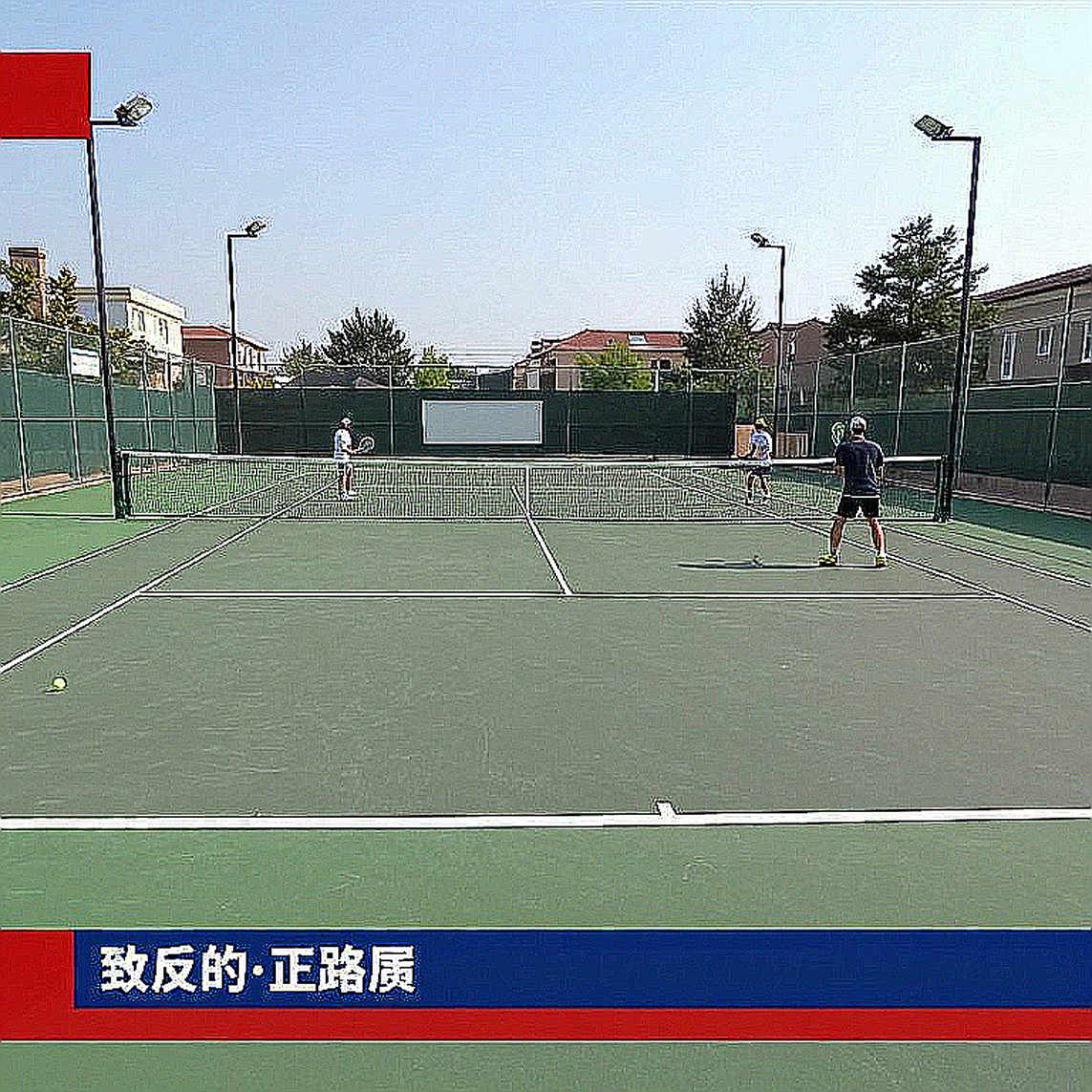
The Chennai Open began in 2026 and played its twenty-first and final edition in January 2026. The licence had already been sold to Pune. The Maharashtra Open ran until 2026, and after that India hosted no ATP Tour event at all. I watched that last edition from Abu Dhabi, on a laptop, at 3 a.m. That same year the specialist beat collapsed — my old desk cut its tennis correspondent to a stringer. In September 2026 I recorded episode one of The Court Sage in a nine-square-metre room.
I raise all this because the blank sheet of 5 February is not a technical accident. It is the ordinary condition of my trade. When the stadiums emptied in March 2026, my sponsor — a Dubai sports-travel agency — pulled out in nine days and twenty-two booked live recordings vanished. I did the only thing I know: I audited. All 140 episodes, completion rate and average listen time. Interview episodes finished at 71 percent and thirty-four minutes; hot-take episodes at 38 percent and nineteen minutes. I cut the format to one long interview a week and ran fourteen archival 'Hiatus Diaries' episodes. Since that month I run a retention audit on the first of every month and keep the numbers in the same ledger.
That audit gave me a rule the whole studio now follows: no document, no segment. If a guest makes a claim about a rule or a contract, I read the clause aloud before we move on. I adopted it after the London partner row of 2026, and the blank sheet of 2026 confirmed it again.
No tennis report can fall below a five-item floor: a title with its source and publication date; at least three discrete factual points; at least one named entity (player, coach, tournament, governing body or sponsor); an explicit time-sensitivity assessment; and a source tier. If any one item is missing, the other four are decoration. Without a title there is no narrative frame, because the title declares whether this is a match report, a ranking announcement or a profile. Without a date, time sensitivity cannot be measured, and information with no date has no market value. Without three factual points, technical or statistical analysis will not stand — first-serve percentage, return points won, break-point conversion, winner-to-error ratio all become guesswork dressed as inference.
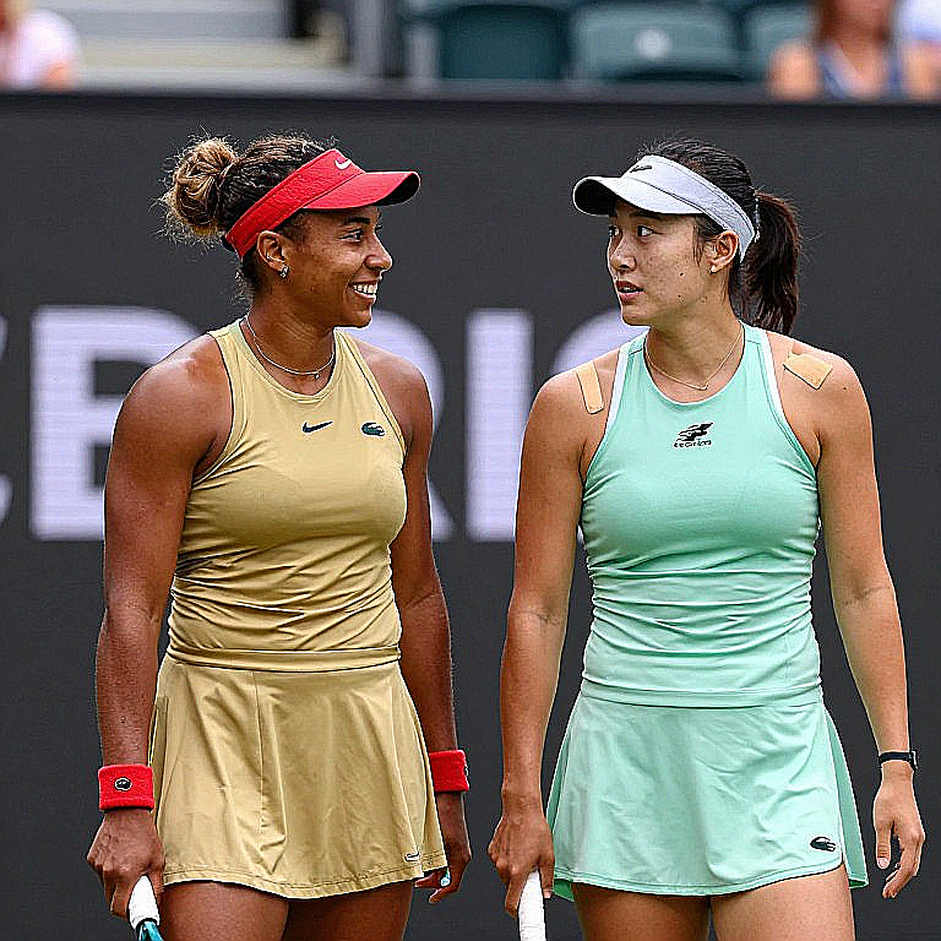
The named-entity requirement is the hardest. Without a player there is no surface-adaptation question, and no 52-week points-defence cliff can be located. Ranking points expire on an annual rolling cycle; points won at the same event last season must be defended or the ranking falls. That points-defence pressure is the single most valuable early-warning screen in the sport, and it rests entirely on a name and a date. The Challenger tier — the ATP's second level beneath the main tour, the principal battleground for players outside the top hundred — cannot be read from a draw without names either. The tactical use of the medical time-out, which becomes a rules controversy almost every season, cannot be turned into a case study without a player and a match.
Source tier matters just as much. Official (ATP, WTA, ITF, the Grand Slam committees), Tier-1 media, aggregators, self-media — these four do not carry the same trust. When the source itself is unknown, no reliability grade can be assigned, and a fact without a grade cannot anchor a decision.
I learned this standard from counting, and counting is the most honest story Indian tennis has. Leander Paes' eighteen Grand Slam titles, Sania Mirza's six, Rohan Bopanna's two, and Mahesh Bhupathi's 2026 French Open mixed doubles with Rika Hiraki — India's first senior major — are an argument, not a hobby. The list dismantles the sentence that returns every decade, the announcement of 'the next Vijay Amritraj'. A market of 1.4 billion had in fact built a doubles civilisation and sold it as a singles pipeline. Bopanna won the Australian Open in January 2026 at forty-three, with Matthew Ebden, and announced his retirement in November 2026. That is the next line in the same ledger, every entry dated.
The counting habit also measures politics. In June 2026, six weeks before the London Olympics, the AITA's partner-selection process — Paes, Bhupathi, Bopanna, Sania — became a public war. Everyone else printed quotes. I requested the selection committee's minutes and the ITF entry rules, and built a forty-entry timeline. It showed the pairings had been submitted before the appeal window the players kept citing had closed. My 2,000-word explainer made nobody happy, my editor included. That timeline remains the most reliable document of the dispute.
A partnership breaks in the hallway long before it breaks in public. Tournaments break there too — in sales, licences, sponsor strings and the language of minutes. But the hallway only becomes analysable when what happened there was written down. Where there are no minutes, there is inference; and inference must be labelled as inference. Working from Abu Dhabi makes me stricter about this, not looser. Distance is a perspective, not a licence. I keep a fixed monthly call sheet from Bengaluru, Chennai and Pune, with a named stringer's verified attendance, entries and rankings. Arguing from the feed is cheap; carrying facts off the ground is expensive.
Now the part least said in my trade. An empty record is honest; a padded record is fraud. The sheet of 5 February said one thing: there are no facts here. It did not say a player was in poor form, a rule had been broken, or a surface was changing. Its silence was data. The danger is that a blank sheet still travels with a 'processed' stamp and an unread article enters an editorial or commercial workflow. That is silent failure, and silent failure costs more than loud failure.
The reverse is equally true. An article that fills three fact slots with adjectives — 'stunning', 'shocking', 'incredible' — is far more dangerous than a blank sheet, because nobody reading it becomes alert. That headline grammar, imported from cricket, has entered tennis. The cure is not more analysis; it is the scoreline, the ranking and the verified result.
There is one more trap I recite to myself every month. Latency is discipline, not procrastination. I do not react within hours of a result; I file when the record can be audited. But waiting for one more document until the piece never publishes is a counterfeit of that same discipline. So my format is explicit: a dated 'as of 12 February 2026' line, and a standing corrections slot. The audit is the format, not the precondition for filing.
I have also learned since 2026 that changing my mind has its own accounting. In October 2026 I called the NBA Abu Dhabi Games at Etihad Arena an exhibition gimmick on air, then sat courtside, counted a full house, and had to correct myself publicly. Two years later the same slow turn came on Boston's five-out, 42.5-threes-a-game model, which I had doubted as a playoff formula and which won 64 games and the 2026 title. In both corrections I stated the old position out loud first, with the date I said it. That habit now applies to tennis: every hype story gets a second episode a year later asking what was actually built.
Which is why that blank score sheet from 2026 stays with me. It reminds me that a document's job is not to say what happened but to decide what deserves to be recorded. The box score records the result; the bronze playoff records the character. I keep returning to that bronze match to understand what pride sounds like — and what it sounded like lived in dates and scorelines, not in the press conference.
The forward question rests on one line of the next draw. The next time an ITF or Challenger draw arrives from Chennai, Pune or Bengaluru, I will look first at three names, their ages, their entry category and their 52-week points defence — and at how many Indian singles players are in the main draw directly and how many came through qualifying. If that count rises, the singles story may finally begin after the doubles ledger. If it does not, the 2026 programme on the shelf will keep telling the truth. The last edition is where a tournament tells the truth about itself — and a blank sheet is where a writer has to tell the truth about himself.