
The New Geography of Asian Cricket: Walls Between Formats, the Heat of the Market, and the Real Test of the Game
एशियाई क्रिकेट एक ही खेल नहीं, तीन अलग प्रारूपों और तीन अलग आर्थिक इकोसिस्टम का समूह है। टेस्ट, वनडे और टी20 के कौशल और आँकड़े एक-दूसरे से तुलनीय नहीं हैं, इसलिए किसी भी खिलाड़ी या टीम का मूल्यांकन केवल उसी प्रारूप के भीतर होना चाहिए। क्षेत्र के तीन स्तंभ हैं: दक्षिण एशिया का राजस्व-गुरुत्व, खाड़ी के तटस्थ मैदान, और नेपाल, ओमान, यूएई जैसे सहयोगी राष्ट्र। टी20 की रणनीति पावरप्ले, मध्य ओवर और डेथ ओवर के चरण-विभाजन पर टिकी है, जहाँ भूमिका-आधारित विशेषज्ञता निर्णायक है। व्यावसायिक लीगों ने क्रिकेट को वार्षिक आर्थिक चक्र में बदल दिया, लेकिन ऊँचा लीग वेतन अंतर्राष्ट्रीय क्षमता का प्रमाण नहीं है। शासन-स्तर पर डीआरएस का अंपायर कॉल, डीएलएस पद्धति, ओवर-रेट प्रतिबंध और एनओसी शर्तें परिणाम व करियर दोनों को प्रभावित करती हैं। मुख्य जोखिम हैं — कार्यभार और चोट, प्रसारण राजस्व पर अत्यधिक निर्भरता, सत्यनिष्ठा-तंत्र की स्वतंत्रता, और जनमत का दबाव। अगला दशक तीन सवालों पर तय होगा: प्रारूप-विशेषज्ञता, राजस्व का वितरण, और शासन की पारदर्शिता। (यह विश्लेषण सामान्य सार्वजनिक जानकारी पर आधारित है, किसी ताज़ा मैच या आँकड़े का दावा नहीं करता, और सट्टेबाज़ी सलाह नहीं है।)
Introduction: One Game, Three Worlds
Calling cricket a single sport is technically correct, but in Asia it behaves as three structurally distinct competitions with different tempos, tactics and definitions of success. Test cricket rewards patience, technical discipline and the ability to read a slowly changing pitch over five days. ODI cricket is about fifty-over planning, partnerships through the middle and risk management in the final ten. T20 reduces every ball to an independent decision where strike-rate mathematics outranks technical elegance.
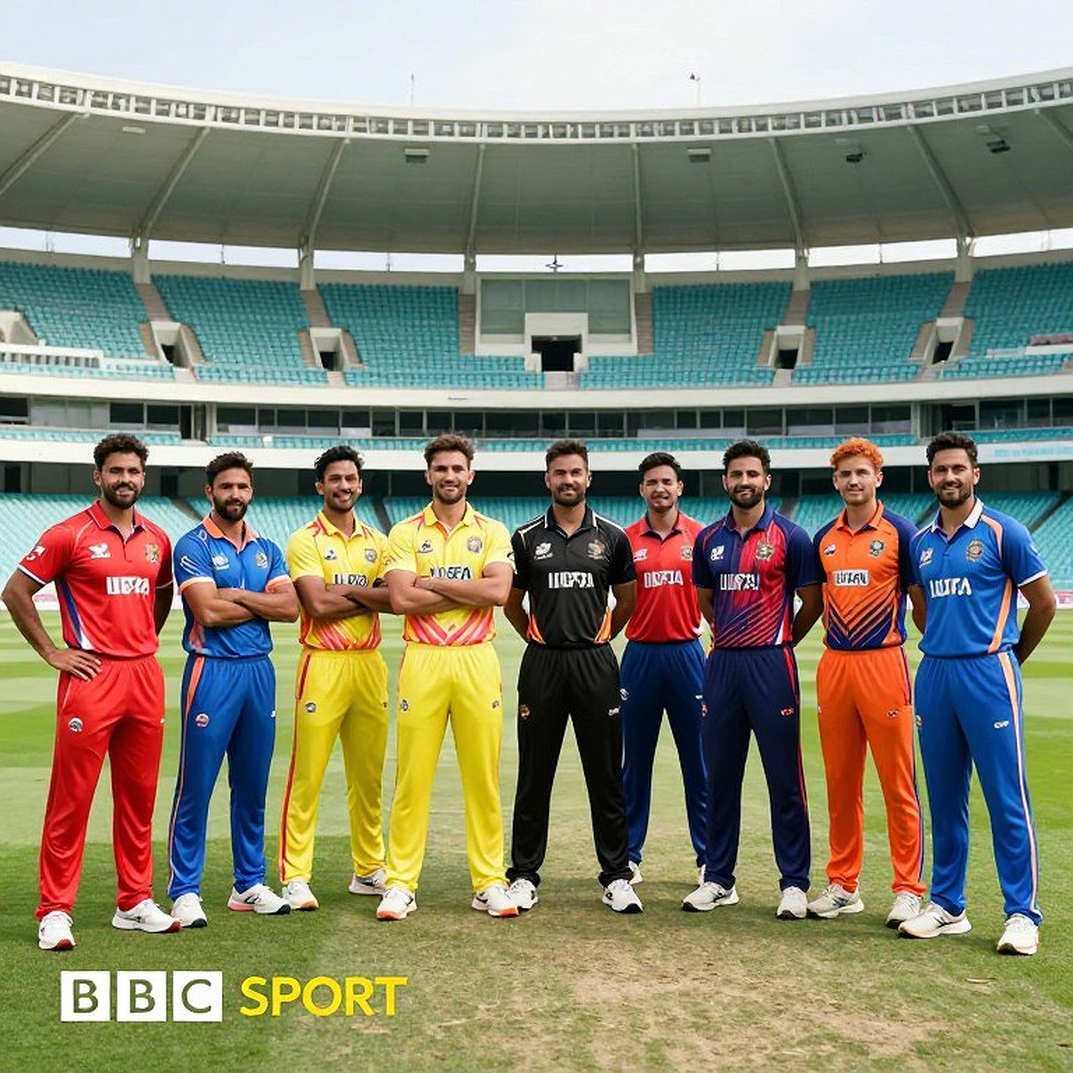
Without respecting these walls, any commentary on Asian cricket is incomplete, because the same player's numbers get weighed on three incompatible scales. A batsman with an excellent Test average does not automatically score at the required rate in the death overs; a bowler who wins T20 games with the yorker cannot necessarily hold the same accuracy across a long Test spell. The first condition of serious analysis is therefore a clearly stated format and like-for-like comparison. Asia has different strengths, different weaknesses and different economics in each of the three formats.
Walls Between Formats
The most common analytical error in cricket is inferring T20 utility from Test experience, or awarding a Test place on T20 form. Asian selection committees resist this separation more often than they should, and in trying to manufacture an "all-format player" they often lose the player's best format. This is not just a selection error but a career-management error, because a player's market value peaks in the format where he is best.
The Asian Geography: Three Ecosystems
"Asian cricket" is not one entity. First, the South Asian revenue core — India, Pakistan, Bangladesh, Sri Lanka, Afghanistan — where cricket functions almost as identity, producing the largest audiences, advertising markets and emotional investment in the world. Second, the Gulf neutral-venue market — the UAE, Oman, and an expanding hosting footprint toward Saudi Arabia and Qatar — where stadiums and broadcast rights are packaged commercially, and where fixtures that cannot be played bilaterally, notably India–Pakistan, become possible inside multinational tournaments. Third, the emerging Associate tier — Nepal, Oman, the UAE, Hong Kong, Malaysia — with limited revenue but genuine depth of talent and, in Nepal's case, a domestic audience that fills grounds for matches that are not even full internationals. Weighing these three on one scale is a category error: one asks how to grow revenue, the second how to buy legitimacy, the third how to retain talent.
The Phases of T20
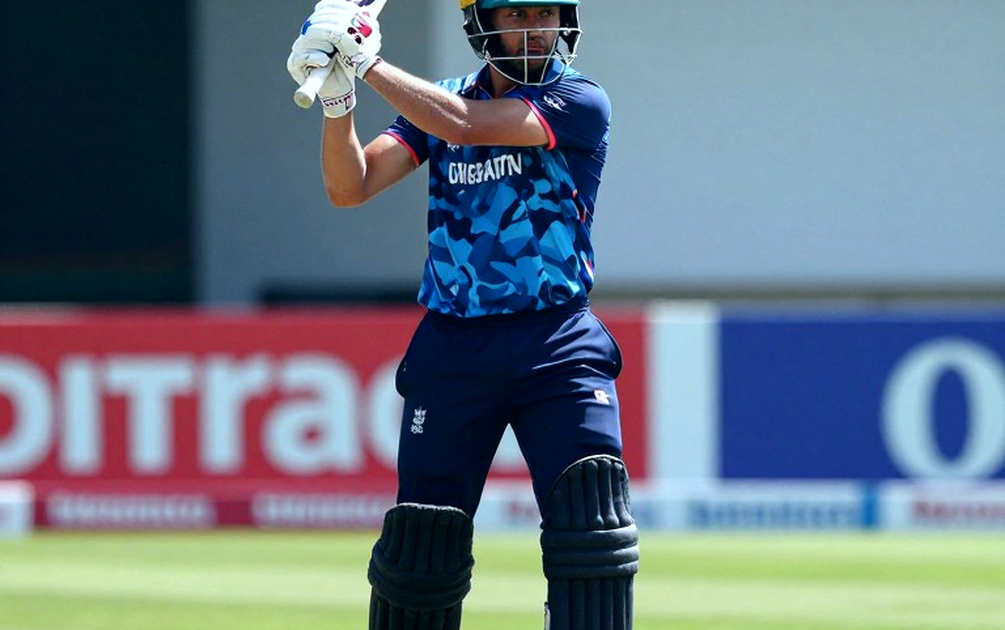
The powerplay (overs 1–6) allows only two fielders outside the circle, so batsmen are licensed to hit in the air and bowlers get the new ball. Middle overs (7–15) spread the field, bring spin and become the least dramatic but most strategic phase: this is where a team decides how much risk it can afford later. Death overs (16–20) change the craft entirely — yorkers, slower bouncers, wide yorkers, cutters — where accuracy matters less than creating uncertainty. Asian cricket has historically been judged weak at death bowling, and that is exactly where modern specialisation has produced the biggest gains.
The New Grammar of Bowling
Bowlers no longer bowl; they perform roles. A quick who once opened and returned at the death is now prepared for one phase only. As a result the yorker has moved from art to standard skill, slower balls have become core weapons rather than tricks, and preparation now includes mapping the specific weaknesses of opposing batsmen in advance. Spin has changed too: turn matters less than changes of pace and the ability to make the ball drift. Subcontinental pitches favour spin, but modern T20 forces spinners into the powerplay, where the job is containment rather than wickets. This makes old evaluation metrics inadequate: economy alone tells you little without knowing which phase a bowler bowls in.
The Changing Shape of Batting
Preserving wickets is no longer a universal virtue. T20 allocates only twenty overs and ten wickets, so choosing the right moment to take risk is the real skill. The Asian batting identity has traditionally been wristwork and technique — an advantage in Tests and ODIs that can slow scoring in T20. The answer is neither to abandon technique nor to swing blindly, but to enforce shot-selection discipline. Batting has also shifted from order-based to role-based: teams no longer ask who opens but who accelerates in the powerplay, who anchors the middle, and who finishes. The finisher has become the most expensive asset in the game, even when his average looks ordinary.
Player Profiles, Without Cross-Format Comparison
Babar Azam's signature is classical technique and balance — he watches the ball late and does not rush shot selection, a quality that sustains long innings in Tests and ODIs, and which in T20 creates the central debate about converting that calm into strike rate. Virat Kohli is associated with run chases: controlling tempo, low risk early, acceleration when required — a match-situation skill that sits outside raw strike rate. Jasprit Bumrah's edge is exceptional accuracy and the yorker, and the fact that he does not alter his line under death-overs pressure when most bowlers lose theirs. Shaheen Afridi's weapon is the new ball: left-arm pace plus inswing makes the powerplay a decision-making trap. Rashid Khan is the clearest Asian example of a bowler who changes an entire team's strategy through variation and pace change, creating the containment pressure that defines modern T20. Wanindu Hasaranga's googly and variation make him a middle-overs wicket-taking option; Shakib Al Hasan remains the model all-rounder who contributes in all three departments, the most valuable squad-balance asset because he fills two roles in one slot. Suryakumar Yadav is the counter-example: unorthodox by classical standards, but his 360-degree shot construction is precisely what T20 rewards — proof that T20 has rewritten the definition of correct technique.
Team Landscape and the Politics of Rankings
ICC rankings are separate per format, and rightly so, but they show average performance, not situational capability. A team strong at home and weak away can rank high and still struggle on tour. Asia's clearest illustration is spin-based strength: subcontinental sides are near-unbeatable at home and must rebuild their entire bowling plan on fast, bouncy pitches. That is home advantage, not a hidden measure of true ability. Squad structure rests on three questions: batting depth to number eight, a bowling attack with separate powerplay, middle and death specialists, and bench depth that allows a plan to change rather than only a name. Age structure matters equally — a squad with three or four senior players and four or five younger ones transitions stably, whereas a middle order drawn from a single generation faces a simultaneous retirement shock.
Leagues and the Commercial Ecosystem
The IPL proved that cricket can be an annual economic cycle in which rights auctions, franchise valuations, player salaries and broadcast revenue are one system. PSL, BPL, LPL, ILT20 and SA20 followed with different models — some revenue-driven, some diaspora-driven, some built on neutral-venue hosting — but all aiming to fill a year-round broadcast calendar. The critical analytical distinction is that a high league salary is not evidence of international strength: auction value signals utility to one team in one tournament, not global capability. The second issue is workload conflict between leagues and national duty, managed through No Objection Certificates that sometimes collide with a player's best interests. The third is multi-club franchise ownership across leagues, which improves efficiency but raises questions about the autonomy of local competitions.
Governance and Rules
Cricket governance operates at three levels — ICC, the Asian Cricket Council, and national boards — with revenue distribution tied to voting power and voting power tied to membership. On the field, three rule areas most affect fairness: DRS and the umpire's-call margin, a deliberate compromise between accuracy and on-field authority that remains a permanent source of dispute; Duckworth-Lewis-Stern, mathematically sound but rarely intuitive to audiences; and over-rate sanctions, which can intrude on decisive moments. The Impact Player concept has further reshaped limited-overs strategy by reducing the need for all-rounders and rewarding specialisation. Eligibility, NOC conditions and central contracts remain areas where board authority is supreme, making player-association friction a structural tension rather than a passing dispute. Geopolitics also shapes the calendar directly: the long absence of bilateral India–Pakistan cricket means the two sides meet only in multinational events, and diplomacy, not sport, often decides which tournament happens where and in which format.
Risk Side
Six categories matter. Sporting risk: over-dependence on one player, so that an injury destroys the plan. Personnel risk: workload management under an overlapping league and international calendar, visible in rising injury rates. Commercial risk: over-reliance on a single broadcast revenue stream. Integrity risk: the independence and speed of anti-corruption systems, where the threat is institutional rather than technical. Public-opinion risk: a negative narrative spreading fast after one defeat, pushing selection committees to abandon long-term plans. Systemic risk: calendar overload, the quietest and most damaging of all, because it removes the time players need to improve.
Narrative and the Expectation Gap
Cricket narratives move faster than facts. Two good games create a superstar; two bad ones end a career — both conclusions indefensible on sample size. In Asia the narrative carries extra emotional investment, which is simultaneously the game's financial foundation and its analytical weakness. The expectation gap should be measured at three levels: team results against real capability, individual expectations against defined role, and market expectations against actual utility where auction or contract value has run ahead of performance.
Industry Transmission
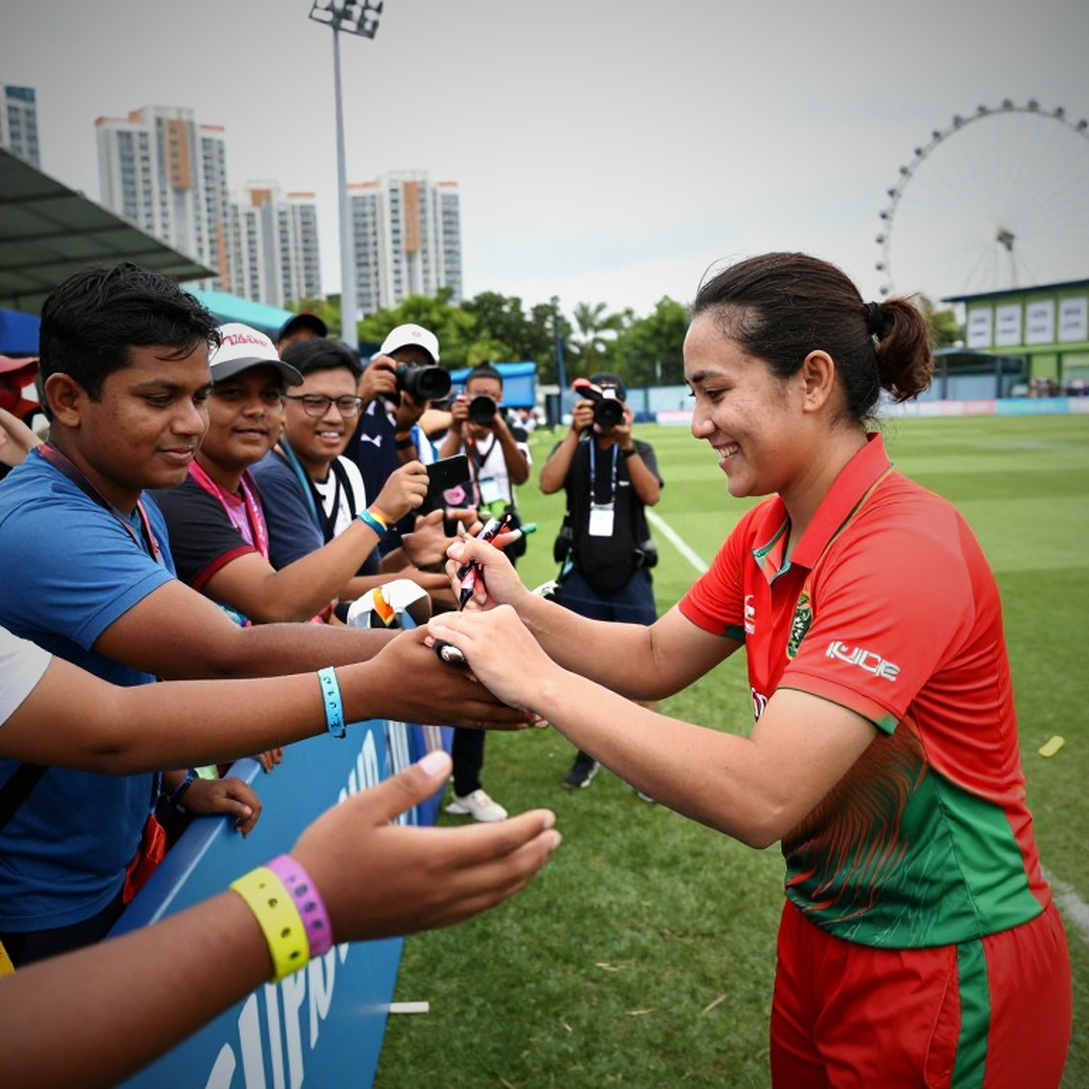
The chain runs from youth development and talent supply, through national teams and leagues, to broadcast, advertising and derivative markets. When upper-tier investment rises, the middle tier responds with higher salaries, higher franchise values and more viable professional careers — but the benefit reaches the base slowly, and often not at all. The central structural question is whether rising commercial revenue is reinvested in domestic structures, grassroots coaching and women's cricket. Leagues that reinvested sustained their talent pipeline; leagues that did not grew rich while the national base narrowed. Broadcast pressure also shapes formats: shorter cricket is more attractive per minute, but a calendar filled only with short formats erodes the skill base that ultimately shows up in short formats too.
Conclusion: Three Questions for the Next Decade
First, formats: will boards prioritise the three formats separately and let players specialise, or keep trying to mould one player for all three? Experience favours specialisation. Second, distribution: will league revenue reach domestic structures, women's cricket and Associate nations, or pool at the centre? The answer determines how deep the talent pool is in ten years. Third, governance: will decision-making become more transparent, or more centralised? Transparency is an economic necessity as well as a moral demand, because investors and broadcasters pay for stable, predictable systems. Between these questions one fact is certain: Asian cricket's strength is its scale, and its weakness is the inequality within that scale. The day that inequality narrows, the region will be not only the largest cricket market but the deepest cricketing centre.
(This is an original analytical feature based on public information and general cricket analysis. It makes no claim about any specific recent match, result or current statistic, and it is not betting advice of any kind. Sporting outcomes are highly uncertain; read analysis rationally.)